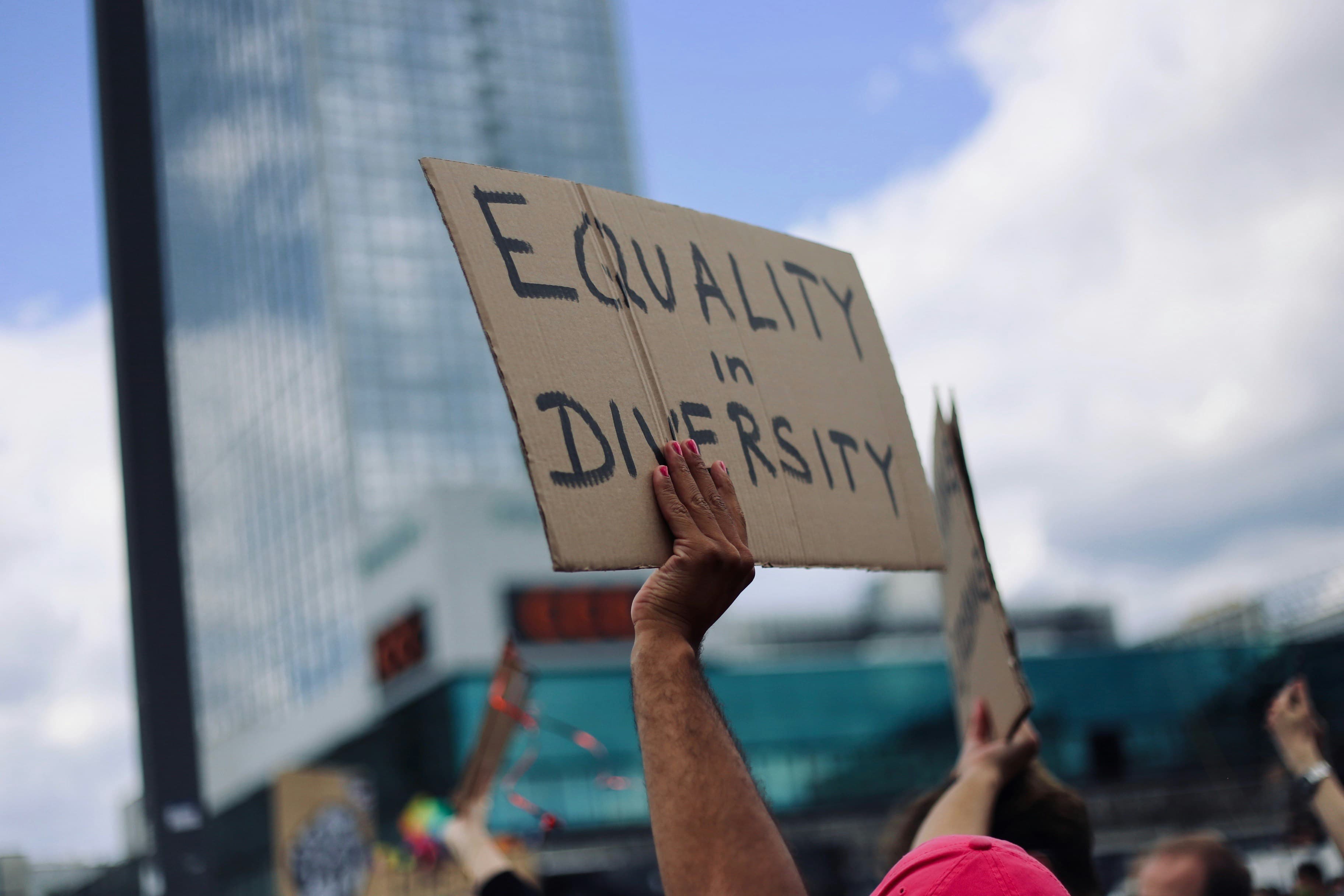
An equality plan is a document that sets out the actions and measures aimed at promoting gender equality within companies. It was created with the purpose of eliminating inequalities and discrimination that may exist in the workplace, covering aspects such as recruitment, professional development, work-life balance, and training, among others.
There is a current law in Spain that requires companies to have an equality plan whenever they meet the following conditions:
Equality plans are mainly regulated by the following legislation:
This legislation establishes the obligation for companies to register their equality plans in the Register and Deposit of Collective Bargaining Agreements, Collective Labor Agreements and Equality Plans (REGCON) of the Ministry of Labor and Social Economy.
The process of developing an equality plan consists of the following phases:
Let’s look at some real examples of equality plans from both public and private entities in Spain.
The latest Equality Plan of the Madrid City Council was approved on December 28, 2023, and its objective is to promote equality between women and men. It is based on three main lines of action:
Mercadona has an equality plan with a focus on parity in management positions and internal promotion, with the goal of promoting equality between men and women within the company. This plan is developed from an integrated human resources perspective.
The Inditex Equality Plan came into effect in April 2023 and includes more than 100 measures aimed at ensuring real and effective equal opportunities between men and women. It seeks to facilitate work-life balance, achieve pay equality, reduce part-time employment, and introduce more comprehensive protocols against harassment and gender-based violence.
At Repsol, the equality plan is especially important due to the traditionally male-dominated sector in which it operates, representing a firm commitment and a strategy to promote gender equality.
The key aspects included in Repsol’s plan are:
Ultimately, equality plans are an essential tool to move towards a fairer and more equitable society. Through them, organizations demonstrate their commitment to society.
The examples presented in this article help us understand their importance and show that they create a more equal and motivating environment for employees. It’s a way to generate a positive impact and build a corporate culture with stronger values.