
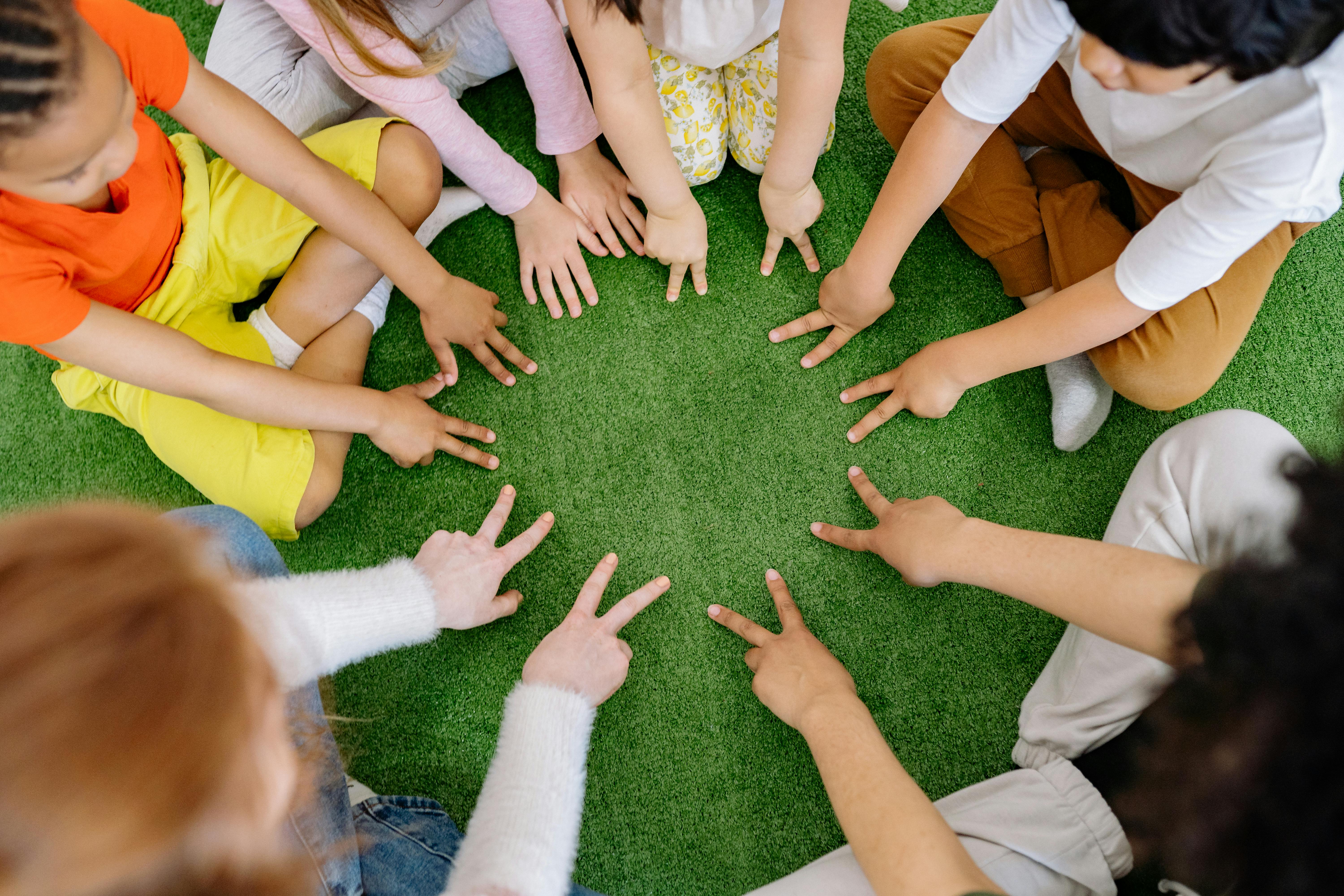
Educating in gender equality is a commitment that society as a whole must take on, since, directly or indirectly, we all participate as socializing agents of childhood. There is a particularly important stage during children’s development that directly influences the type of person they will become in the future: starting school. It is at this moment that they begin to receive new stimuli and information different from what they get at home. It is as if their cognitive system opens up to the world to integrate more complex concepts, values, and behaviors that, through repetition, become internalized and reproduced. For this reason, and in order to build a more equal world, it is so important to promote gender equality in education.
In this post, we will discuss how equality values can be encouraged from childhood and how this can extend to the workplace in the future. Don’t miss this post!
The teacher is the most important socializing agent for children after their parents and, as an authority figure, their teachings have a strong influence during the early years of life. Thus, the teacher’s role can be crucial in ensuring that future adults promote equality in their surroundings.
Gender stereotypes still persist across all areas of society. According to UNESCO reports, nearly half of men believe they would make better political leaders—and what’s “best” is that these beliefs often take root during childhood.
To prevent this, it is essential to promote an inclusive and respectful environment that encourages equal opportunities, uses non-sexist language and educational materials, and fosters equal participation among all students. The best way to prevent inequality is by challenging gender stereotypes and promoting empathy and mutual respect.
Even in the 21st century, with access to education guaranteed for all children and young people, a 2022 survey by the Youth Barometer found that between 20% and 30% of students believe that careers related to education or caregiving are more suitable for women, while those focused on science and technology are better suited for men. This widespread belief is clear evidence that there is still much work to do regarding gender equality in education.
To promote equality from the earliest educational stages, various initiatives can be implemented.
Encouraging the inclusion of diverse student profiles is essential. This involves adapting the educational environment so that all students—regardless of their abilities or disabilities—have access to quality education.
The school curriculum should reflect the diversity of society, including gender, ethnic, cultural, and social perspectives. Texts and materials representing a wide range of identities and experiences should be included.
Educators should receive training on equality and diversity topics to effectively address them in the classroom. This includes fostering empathy and respect for differences.
Encourage the use of inclusive language that does not reinforce gender stereotypes or discrimination. This means using gender-neutral language and being mindful of the words and phrases used.
Organize extracurricular activities that promote participation from all students, regardless of their skills or interests. These can include sports, art, music, and diversity clubs.
Establish mentoring programs among students of different ages to promote mutual support and the development of social skills. Additional resources can also be provided for those who need extra help.
Encourage the exploration of interests and roles that challenge traditional gender norms. This can include presenting role models who defy gender stereotypes in professions and activities.
Engage parents in their children’s education and foster open communication between the school and home. Parents can play an important role in promoting equality values.
Continuously monitor progress in promoting equality in education. This involves collecting data on student performance and the school environment and using it to make informed decisions.
Organize events and activities that celebrate cultural, ethnic, and gender diversity. This helps create an inclusive and positive school environment.
If you want to learn more about how to promote equality or how to implement equality plans in the workplace, we recommend visiting the Educa.Pro blog, where we discuss all kinds of topics that concern us as people and workers.


.jpg)
.jpg)
.jpg)