
Temporada alta en hostelería: cómo formar al personal de nueva incorporación en tiempo récord
La hostelería española incorpora cada verano más de 300.000 trabajadores eventuales. La mayoría llega sin experiencia previa en el establecimiento, […]

La hostelería española incorpora cada verano más de 300.000 trabajadores eventuales. La mayoría llega sin experiencia previa en el establecimiento, […]

Los cambios tecnológicos, la automatización y la rápida evolución de las competencias están obligando a las empresas a replantear cómo organizan su talento. Durante años, las estructuras empresariales se han construido alrededor de puestos fijos y organigramas tradicionales. Sin embargo, en entornos donde las necesidades cambian constantemente, este modelo empieza a quedarse corto. En este contexto surge el concepto de Skills-Based Organization (SBO) u organización basada en habilidades, un enfoque que prioriza las capacidades reales de las personas por encima de los cargos tradicionales.
Canitas, referente en servicios veterinarios, confía en Educa.Pro para impulsar el desarrollo profesional de sus equipos y construir una cultura de aprendizaje

The thermal risk has become one of the key challenges in the field of occupational risk prevention in Spain. Rising extreme temperatures, more frequent heatwaves and the direct impact on workplace accidents are forcing companies to rethink their safety protocols ahead of the summer of 2026.
It’s not just about comfort: the Heat stress can have a direct impact on performance, health and safety of workers, particularly in high-risk sectors.
The Interns’ Statute is shaping up to be one of the the most significant reforms in the field of youth training and employment in recent years. Its aim is clear: to regulate more strictly the conditions under which students undertake work placements in companies, reinforcing their educational nature and limiting misuse.
For organisations, particularly those that regularly work with interns, this This entails a fundamental change in the management, supervision and design of training programmes.
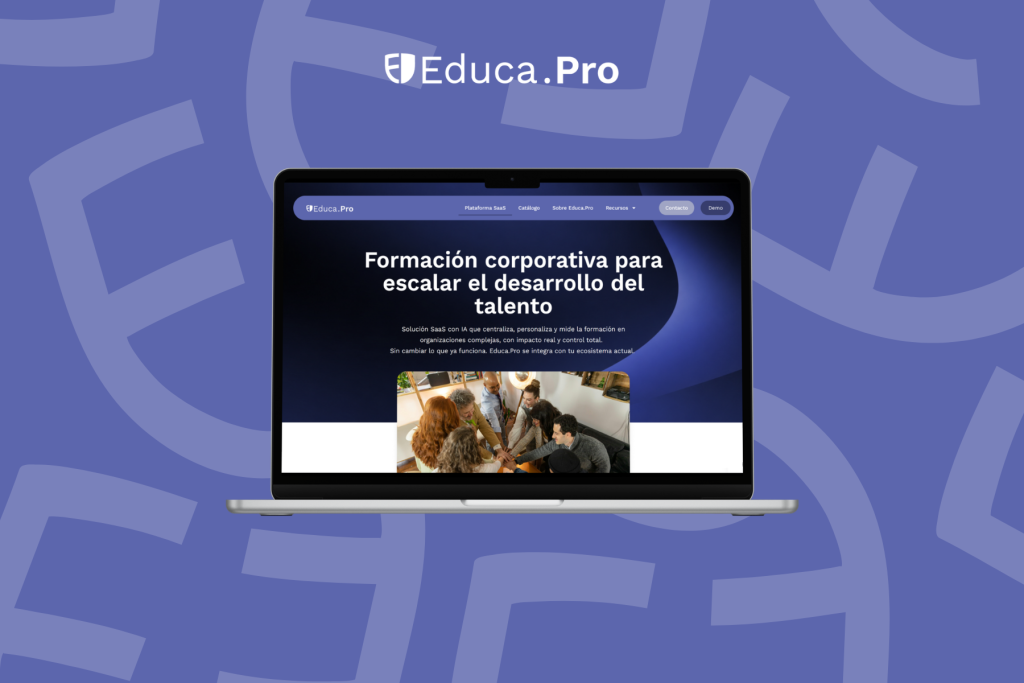
Hemos rediseñado nuestra presencia digital para consolidarnos como el partner tecnológico de referencia para equipos de RRHH y talento que

International tourism in Spain has grown steadily in recent years, making multicultural customer service a a critical factor for the competitiveness of hotels and tourist establishments. In an environment where customers of many different nationalities come together, the quality of the experience no longer depends solely on the service, but also on the team’s ability to understand and adapt to different cultural norms.

The sustainable tourism It is no longer just a trend; it has become a industry standard in the hotel sector. Travellers, booking platforms and European regulations are pushing hotels to incorporate environmental, social and economic criteria into their day-to-day operations. In this context, sustainability does not depend solely on management: requires teams that are trained and aligned with a new model of hotel management.