
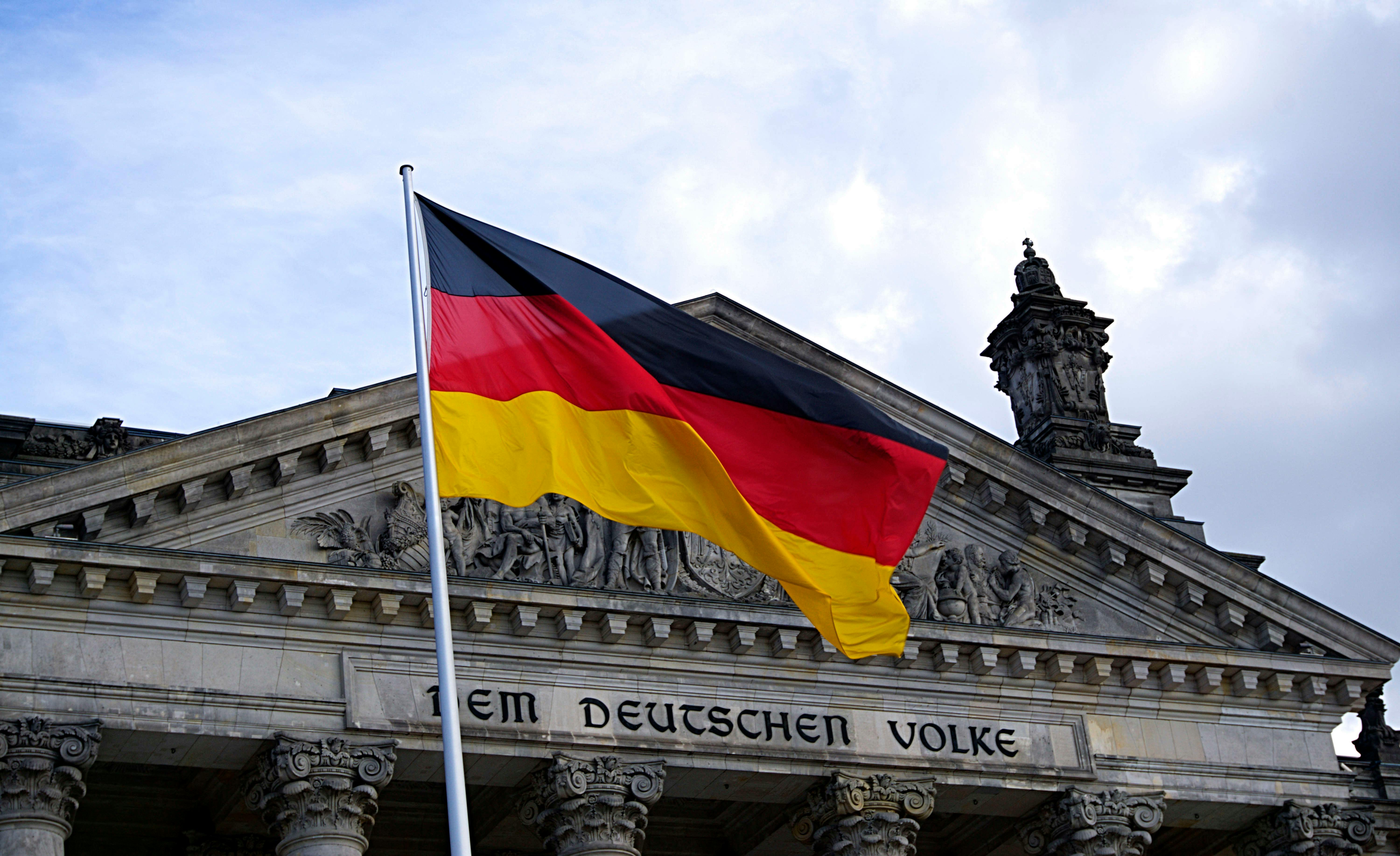
Mastering the German language opens the door to new opportunities, especially in Central European markets. In countries where this language is spoken, direct communication and precision are highly valued; therefore, German for business has become a strategic skill for many organizations operating in these markets.
Investing in your team’s language training not only facilitates international relations but also strengthens the company’s competitiveness and improves access to information. Therefore, business German can make a real difference when expanding your company internationally, as it is a key language in sectors such as engineering, automotive, and exports. Moreover, the growing number of business opportunities in German-speaking countries makes mastering this language very important. Finally, jobs requiring German also enhance employability and internal motivation within your workforce.
Many people wonder whether German is difficult to learn or if the challenge lies in the pronunciation and grammar of the language. The answer depends on the methodology and resources used. With a program tailored to your team’s needs and business environment, and with specialized teachers, learning to speak German is not as complicated as it might seem.
Before choosing a German training program for your company, it’s important to understand the German language levels that exist and which one is most appropriate for each employee. To determine this, the first step is to know how to assess their German level. The quickest way is through a German level test, ensuring that your team learns progressively and according to their individual needs.
A German A1 course is the beginner level for those who have never studied the language, helping them learn the basics. For employees starting from scratch, learning German A1 is the first step. In addition, upon completing the program, your team can take a German A1 exam to earn certification.
A German A2 course is a pre-intermediate level for those who can hold simple conversations or understand short phrases and texts. To help your employees strengthen their knowledge, they can do German A2 exercises focused on vocabulary, grammar, and listening and reading comprehension. They can also take a German A2 exam to certify that they understand and use common everyday expressions.
A German B1 course is an intermediate level in which learners can handle conversations and texts on specific topics. At this stage, your employees expand their German B1 vocabulary, especially with professional and industry-specific terms. Therefore, at this level, your workforce enhances its workplace communication skills.
A German B2 course is an upper-intermediate level designed for employees who need to communicate fluently and accurately, both orally and in writing. This level is essential for those involved in meetings, negotiations, or drafting documents in German. Additionally, with an online German B2 course, your team can train flexibly without having to travel.
A German C1 course is an advanced level indicating an almost complete understanding of the language by your team. At this level, employees can comprehend complex texts and express themselves clearly and precisely. Likewise, with an online German C1 course, your team can follow a structured program even with tight schedules.
A German C2 course represents full language proficiency, where your team can understand any type of text and communicate fluently in any situation, such as debates or technical meetings. The German C2 level is ideal for companies that operate in international environments frequently, particularly in senior-level positions.
If your company wants to train its teams in languages, there are many opportunities to learn German from scratch in cities such as Madrid and Barcelona. In addition to in-person training, there are also options like intensive German courses or official distance-learning German programs.
Madrid offers a wide range of language schools and academies that are ideal for training your employees in German. In this city, you can find both in-person programs in small groups and private lessons. Moreover, many academies in Madrid offer intensive and online classes with flexible schedules, allowing your company to choose the format that best suits its needs.
Barcelona also has a broad selection of German learning programs, with institutions offering both in-person and online training. This makes it easier for your employees to progressively improve their German level, with classes adapted to different proficiency stages. Likewise, in Barcelona, you can find courses focused on professional and business environments.
To complement German training, beyond regular classes, there are many helpful tools for practicing the language outside work hours. On one hand, podcasts for learning German are a very useful option — you can even select those tailored to professional settings. On the other hand, a German learning app can also be the perfect complement to the course your employees are taking. Lastly, innovative options like learning German with AI stand out, as they offer a more personalized experience that adapts to your team’s learning pace.
Ultimately, investing in German courses for your company is a strategic decision that can bring many benefits by strengthening competitiveness in key markets. Moreover, beyond improving the company’s international relations, with German language training, your team gains better access to information and greater motivation, driving growth and internal efficiency across the organization.


.jpg)

