Today, the environmental future is a matter of concern. How can we reverse or reduce climate change and its effects? This is a question many companies are trying to answer through action. To do so, they look for alternatives to polluting practices to reduce their ecological footprint. This is how solutions such as sustainable packaging have emerged.
The sustainable packaging approach goes beyond reconsidering the materials used in packaging manufacturing. It requires rethinking not only how the product is made but also how it is ultimately disposed of, thus minimizing environmental impact at every stage.
Sustainable packaging: an innovative solution for the environment
As mentioned, sustainable packaging arises as a response to the need to adopt environmentally friendly practices. At the same time, it seeks to adapt to those consumers willing to change their lifestyles to buy products committed to social and environmental responsibility.
In this sense, sustainable packaging refers to the practice of designing, manufacturing, and using product packaging in ways that minimize environmental impact and maximize efficiency and reuse. This involves using renewable or recycled materials, reducing waste, and optimizing the life cycle of packaging.
Thus, this practice is often part of a company’s Green Marketing strategy. At this point, you might wonder if this approach can be applied to all companies—the answer is yes. It’s not only about the product’s final presentation but also about ensuring sustainability throughout its life cycle.
Sustainable materials for packaging
The ultimate goal of sustainable packaging is to find a balance between effectively protecting and presenting products and minimizing their environmental impact. To achieve this, companies use strategies such as reducing the size and weight of packaging, designing packages that are easily recyclable or reusable, and using sustainable materials.
Below, we share the most common sustainable materials used in the food, cosmetics, and textile industries.
Sustainable packaging in the food industry
- Bioplastics: derived from renewable sources such as cornstarch or cellulose.
- Compostable materials: these materials can break down into compost under certain conditions, reducing environmental impact.
- Recycled paper and cardboard: popular and widely available options for sustainable food packaging.
- Natural fibers: such as bamboo or cellulose fibers, which can be used in biodegradable packaging.
Sustainable packaging in cosmetics
- Bamboo and wood: used in solid packaging or as decorative components.
- Recycled glass: widely used for cream and lotion containers because it can be infinitely recycled.
- Bioplastics and recycled plastics: sustainable alternatives to conventional plastics.
- Compostable materials: for products requiring a more eco-friendly disposal approach.
Sustainable packaging in the textile and fashion industry
- Organic fibers: such as organic cotton, organic linen, or hemp, which reduce the use of chemicals and pesticides.
- Recycled fibers: derived from materials such as recycled plastic bottles or fishing nets.
- Natural fabrics: such as wool, cotton, and silk, which are biodegradable and have a lower environmental impact during production.
- Alternative materials: such as vegan leather made from materials like pineapple, mushrooms, or algae, offering a sustainable alternative to animal leather.
Examples of sustainable packaging
Do you have a company and want to take the step toward sustainable packaging for your products? Take note of these examples that might give you some ideas:
- Water bottles made from recycled materials: some bottled water brands use bottles made from recycled plastic. This reduces the amount of virgin plastic needed and encourages recycling.
- Reusable fabric bags: instead of disposable plastic bags, many stores offer durable and reusable fabric bags made from sustainable materials such as organic cotton, jute, or recycled fibers. These bags are long-lasting and can be used repeatedly, reducing single-use plastic waste.
- Cardboard food containers: instead of plastic packaging, some foods like eggs, fruits, and vegetables come in cardboard or recycled paper containers, which are more sustainable and biodegradable.
- Biodegradable cardboard packaging for cosmetics: some cosmetic brands use biodegradable cardboard packaging instead of plastic. These are made from recycled cardboard and decompose quickly in the environment once discarded.
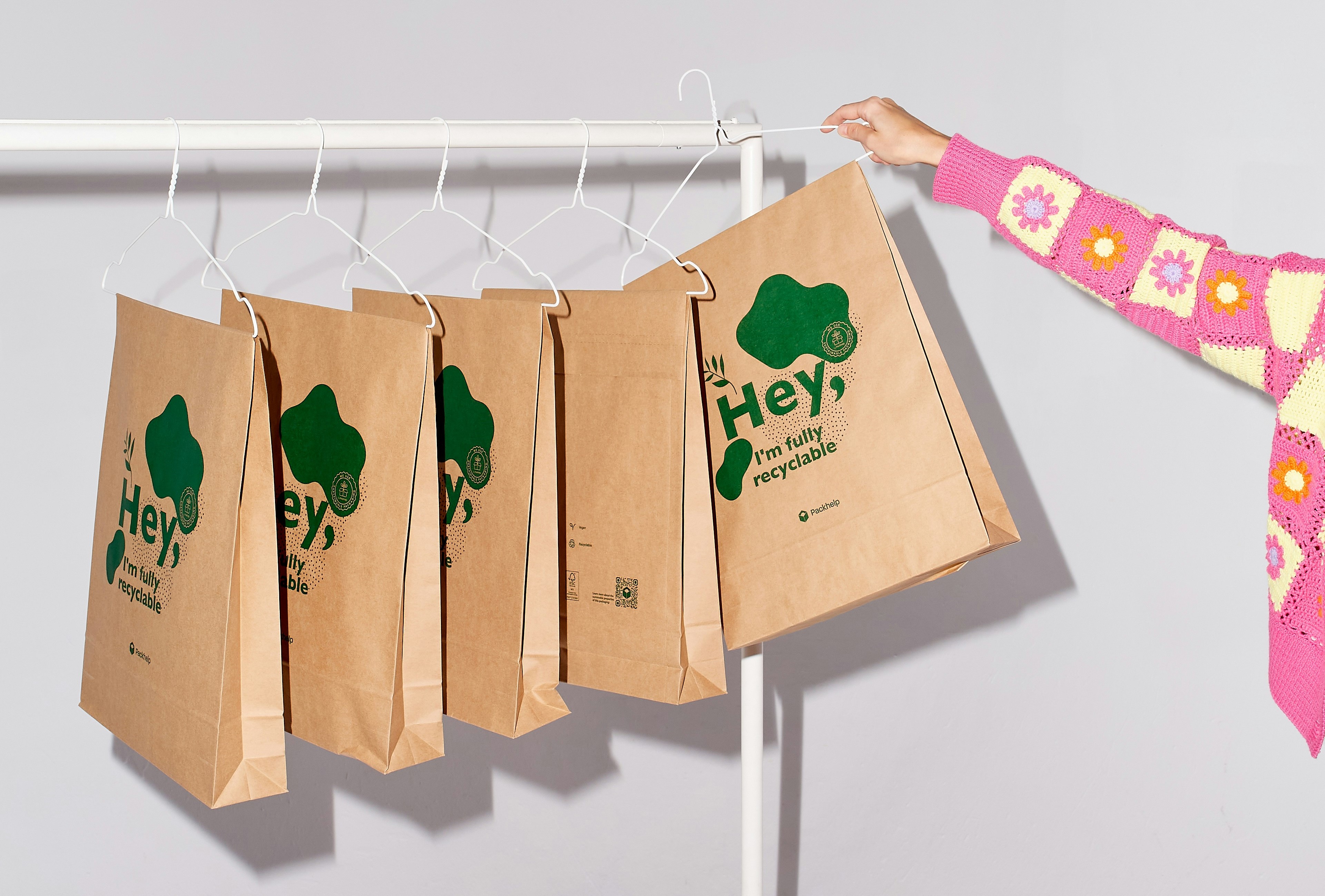
- Kraft paper bags: kraft paper bags are popular in grocery stores and coffee shops. They are recyclable and biodegradable.
- Minimalist packaging: another trend in sustainable packaging is the use of minimalist designs that reduce the amount of material used to a minimum. This can include packaging without excess wrapping, labels printed directly on the product, or packages that can be easily disassembled for recycling.
Now it’s your turn to put all this into practice to help protect the environment. If you want to learn more about this and many other topics related to Corporate Social Responsibility, don’t hesitate to follow us on the Educa.Pro blog.



.jpg)
.jpg)
.jpg)