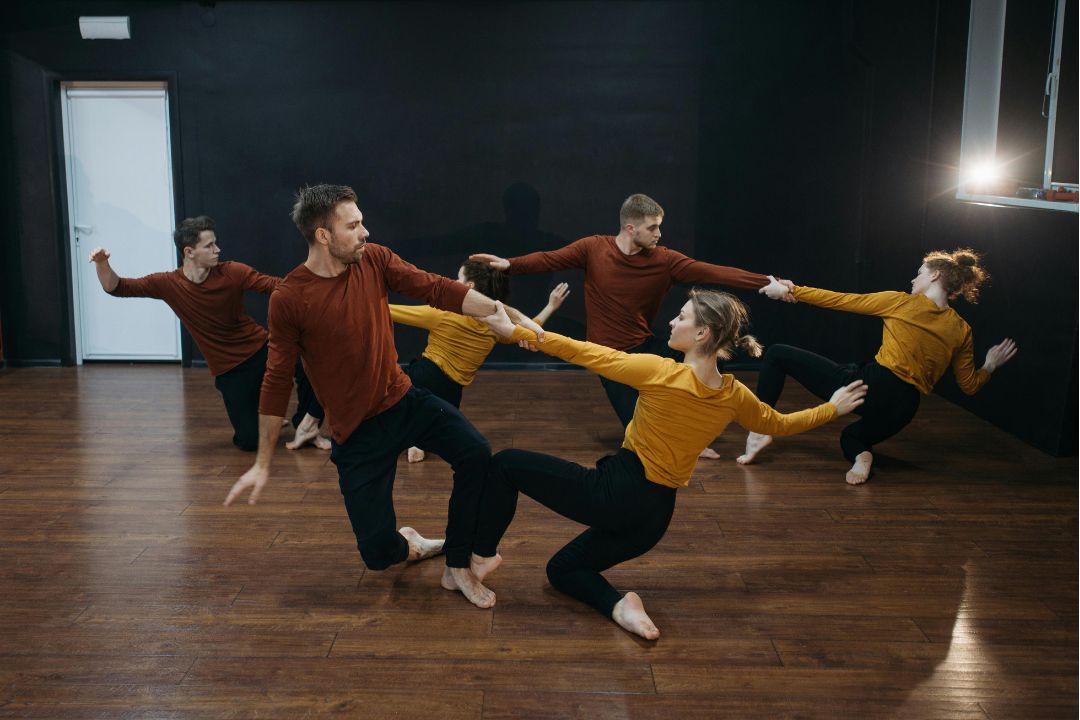
Since the dawn of humanity, The man danced almost instinctively to communicate and express feelings that could not be conveyed through language. Furthermore, it was also a way of connecting with the supernatural, of bringing the group together and of creating an identity. Dance is not just for fun; nowadays, we are all aware of the benefits it brings, both physical and mental, and for this reason, specialisms have developed around it, such as dance therapy: the therapeutic use of dance.
Would you like to find out more about this method? So keep an eye on this post, because we’re going to explain everything you need to know about this practice so that you can start doing it and enjoy its benefits today.
What is dance therapy?
Dance therapy can be defined as a therapeutic discipline which uses movement to promote people’s physical, emotional and mental wellbeing. Through various techniques and exercises, it seeks to establish a connection between the body and the mind, enabling individuals to explore, express and transform their emotions and experiences through movement. It is very important to be fully present and completely focused when conducting a dance therapy session, remaining aware at all times of the music, the space, the movements and the muscles involved.
Dance therapy can be applied in a variety of contexts, such as mental health, physical rehabilitation and personal development. It is based on the premise that movement and physical expression have a profound impact on our health and our ability to to heal and grow.
What are the benefits of dance therapy as a team-building activity?
There are many benefits to dance therapy and team-building, so combining the two can yield fantastic results:
Strengthening teamwork: Group dancing encourages communication, collaboration and coordination amongst the participants. Through shared movement, it fosters a sense of unity and helps to forge closer bonds between team members.
Building confidence: Dance requires trust in others and in oneself. By performing movements together and supporting one another, trust within the team is strengthened and an atmosphere of psychological safety is created.
Fostering creativity: the therapy Based on free movement, it encourages participants to explore different forms of expression and unleash their creativity. This can help foster innovation and generate fresh ideas within the team.
Management of the stress: dancing is a way of releasing tension and to reduce built-up stress. Through the practice of rhythmic and fluid movements, relaxation is encouraged and participants’ emotional wellbeing is improved.
Promoting group cohesion: by taking part in a fun and challenging activity together, team members unite around a common goal and strengthen their sense of belonging. This can improve the group cohesion and create a more harmonious and motivating working environment.
Discover some of the most important dance therapy techniques
Now that you’ve learnt about dance therapy and all the benefits it offers, both individually and in a group setting, we’d like to introduce you to some of the techniques you’ll be practising in the sessions to give you that final nudge to give this new activity a go.
Authentic movement: this technique focuses on the individual’s spontaneous and free movement, without restrictions or judgements. Participants explore their own physical expression, allowing movements to arise naturally from within.
Integration dance: as the name suggests, it combines various types of dance styles and movements to encourage the integration of physical, emotional and mental aspects. Choreographed exercises are used that encourage participants to synchronise with one another and create a collective dance. This promotes communication, cooperation and a sense of unity within the group.
Guided visualisation: Through verbal or musical guidance, participants are encouraged to imagine and express different situations or emotions through movement. Metaphors and visualisations are used to stimulate creativity and the exploration of emotional states. This technique enables participants to delve deeper into their inner world and discover new forms of expression.
Ritual dance: Ritual dance is based on symbolic movements and gestures that carry a meaning beyond the movement itself. Sequences of repetitive, ritualistic movements are used to invoke specific intentions, such as celebration, gratitude or healing. This technique can help participants connect with a sense of transcendence and spirituality through movement.
Contact dance: This is carried out by physically bringing participants together through touch and physical contact. Different forms of interaction and non-verbal communication are explored, fostering trust, empathy and emotional connection. This technique can promote cooperation, conflict resolution and the strengthening of interpersonal relationships within the group.
Motivational factors that serve as stimuli in dance therapy
To get started in any discipline and make progress in it, it’s very important to start with motivation; and so, to round off this post, we’re going to reveal the motivational factors that drive dance therapy and make it so appealing for everyone, at every level:
Music, varying in intensity or melodiousness, in line with the session’s objectives.
The pace set, which encourages dancing or relaxation, depending on the type of session.
Creating a cosy space, airy, uncluttered, with the ideal temperature and flooring perfect for walking barefoot.
Choosing an invigorating scent, an immersive and pleasant experience that awakens new sensations
Set creative movement challenges in every lesson to ensure that the participants’ motivation does not wane.
To foster support and unity among the participants.
And now, you’re all set for your first dance therapy session! Keep reading the Educa.Pro blog to find out about all the latest trends and ideas that will help you enhance your sense of self-fulfilment and wellbeing at work.