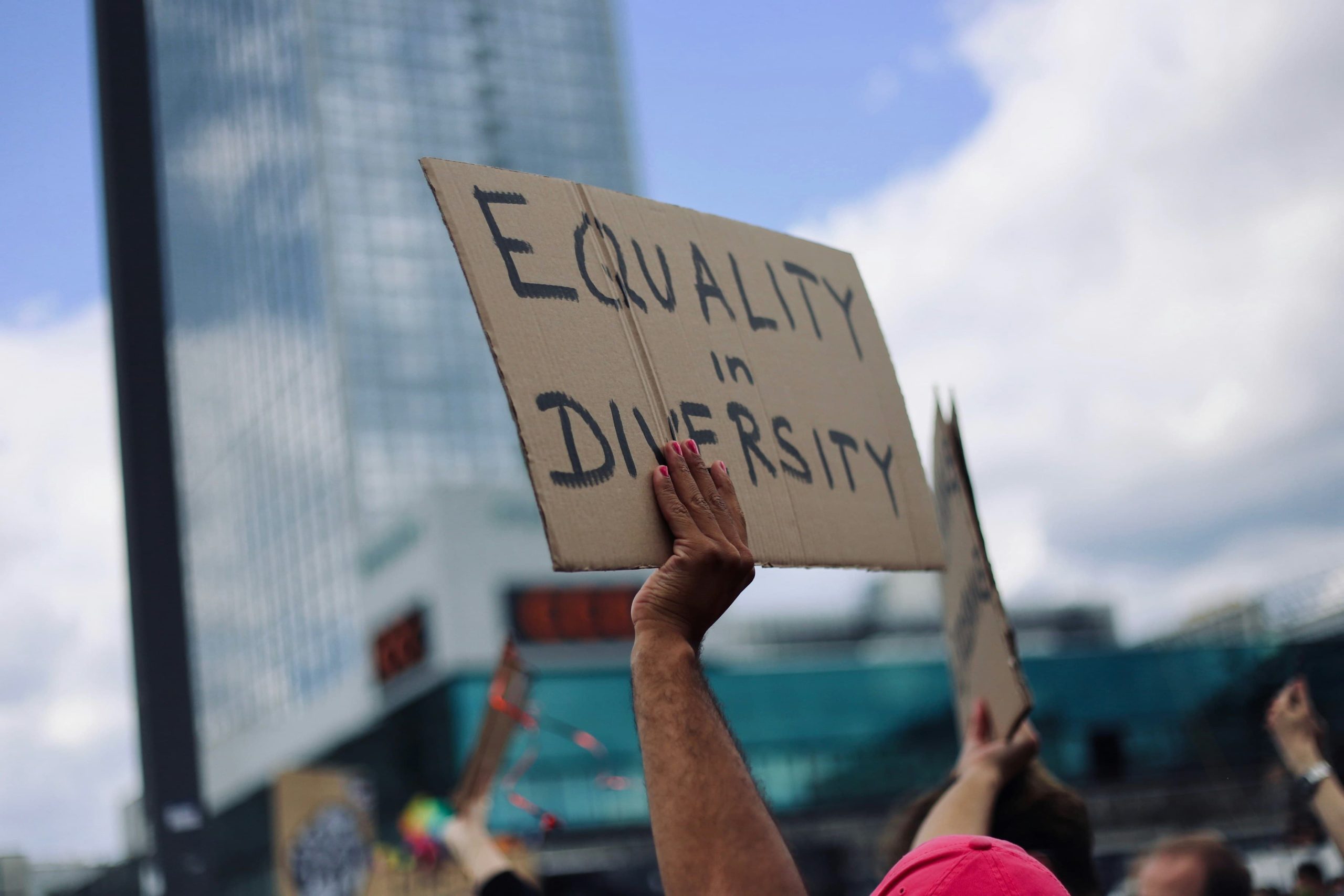
What is the equality plan?
A equality plan It is a document setting out the actions and measures designed to promote gender equality in companies. It was created with the aim of eto eliminate inequalities and discrimination that may exist within the workplace, covering aspects such as recruitment, career progression, work-life balance and training, amongst others.
Which organisations are required to have an equality plan?
There is a law in force in Spain which requires companies to have an equality plan provided they meet the following criteria:
- If you have more than 50 workers.
- If the cif the contract or collective agreement to which they are subject so requires, regardless of the number of employees.
- The Public Authorities or companies that contract with the Government.
Regulations governing the equality plan
Equality plans are primarily governed by the following legislation:
- Organic Law 3/2007 of 22 March, for the effective equality of women and men.
- Royal Decree 901/2020 of 13 October, which regulates equality plans and their registration.
- Royal Decree 902/2020 of 13 October, equal pay for women and men.
These regulations require companies to register their equality plans with the Registration and Filing of Collective Agreements, Collective Labour Agreements and Equality Plans (REGCON) from the Ministry of Labour and Social Economy.
Stages of the equality plan
The process of drawing up an equality plan consists of the following stages:
- Commissioning: This refers to the process of communication and the initiation of negotiations between the parties.
- Diagnosis: It is based on the collection and analysis of data on the current state of equality within the company.
- Design and approval: defining the objectives and measures that will form part of the plan, and documenting it.
- Implementation and monitoring: It involves implementing the proposed measures and assessing compliance with them.
- Assessment: At this stage, the impact of the plan and the results achieved are assessed.
Examples of equality plans in companies and organisations
Let’s take a look at a few real-life examples on equality plans drawn up by both public and private organisations in Spain.
Madrid City Council Equality Plan
Madrid City Council’s latest Equality Plan was approved on 28 December 2023, and its aim is to The aim is to promote equality between women and men. It is based on three main areas of action, which are:
- Achieving parity in the representation of the Institution, as well as incorporating the principle of equality into municipal management and organisation.
- Use inclusive and non-discriminatory language in the Communication to eliminate sexism and gender stereotypes.
- To promote equal access to employment and internal promotion for people, as well as ensuring equal access to remote working.
Mercadona’s Equality Plan
Mercadona has an equality plan with a a focus on gender parity in management positions and internal promotion, with the aim of promoting gender equality within the company. This plan is developed on the basis of a a holistic approach to human resources.
Inditex’s Equality Plan
Inditex’s Equality Plan came into force in April 2023 and includes more than 100 measures aimed at to ensure genuine and effective equality of opportunity between men and women. It aims to make it easier to balance work and family life, achieve equal pay and reduce discrimination, and introduce more comprehensive protocols against harassment and gender-based violence.
Repsol’s Equality Plan
At Repsol, the equality plan is particularly important given the sector in which the company operates, which is traditionally male-dominated, and represents a firm commitment and a strategyto promote gender equality.
The key aspects included by Repsol in its plan are:
- Diversity in terms of age, culture, sexuality and gender.
- Inclusion of people with disabilities.
- Gender equality in recruitment and talent management.
- Respect for diversity and equality.
- Inclusion initiatives.
Conclusion
In short, equality plans are an essential tool for making progress towards a a fairer and more equitable society. These illustrate the commitment that they have with society.
The examples given in the article help us to understand the importance of these and show us that they generate a a more equal and motivating environment for workers. It is a way of generating positive impact and build a a corporate culture with stronger values.