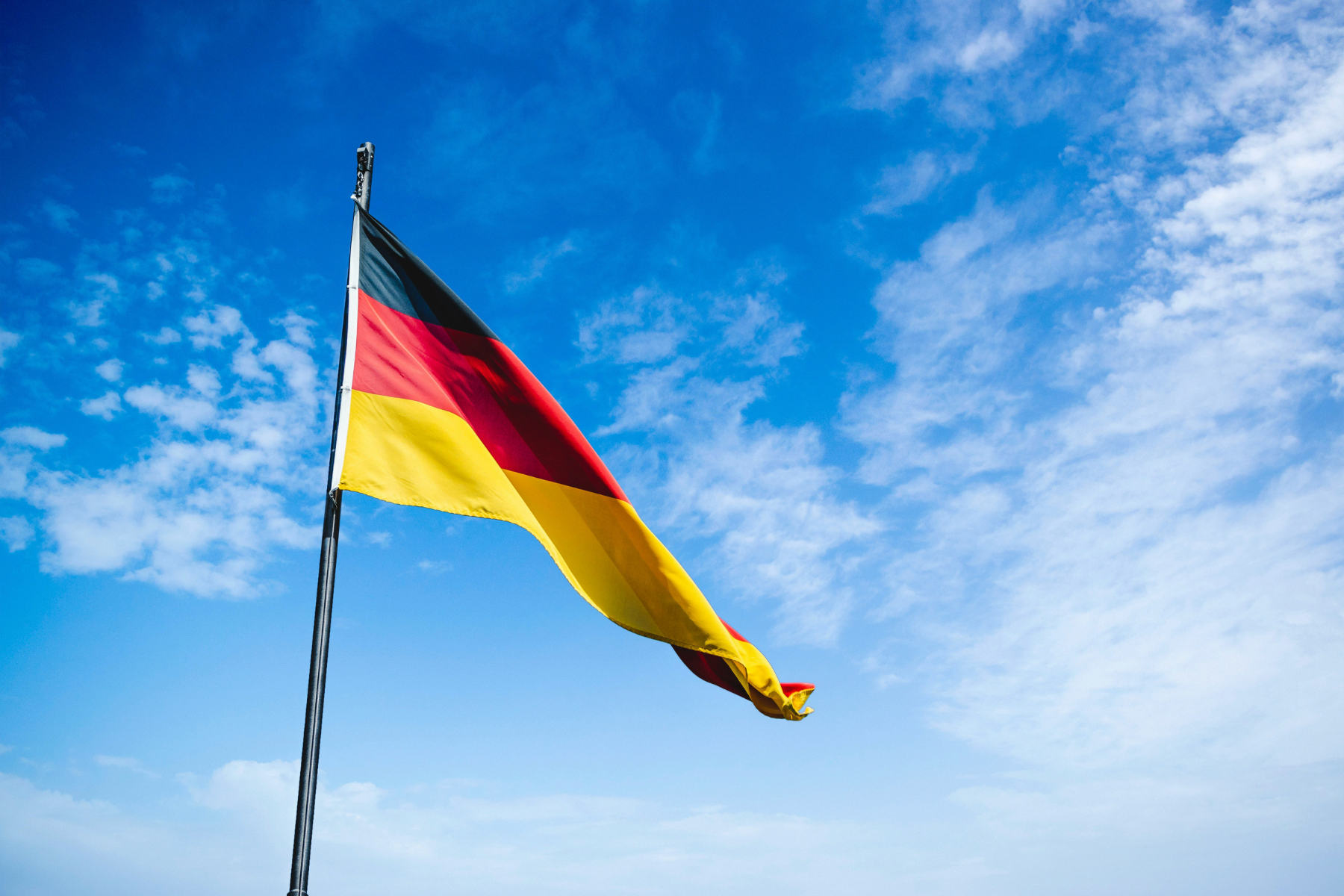
Germany is the Spain’s largest trading partner. It is neither a trend nor an emerging opportunity: it is a well-established reality that generates tens of billions of euros a year in bilateral trade. However, most Spanish sales teams working with the German market do so in English, even when the client prefers their own language, or with an interpreter, by which point the client has already formed a negative impression of this reliance on an interpreter. The language barrier with Germany is not a question of education: It is a business issue.
Germany and Spain: the trade relationship that many companies underestimate
Spain exports to Germany more than 35,000 million euros a year in goods and services. Conversely, Germany is the leading foreign investor in strategic sectors such as the automotive, chemical and technology industries. The relationship is so close and so deeply entrenched that it affects businesses of all sizes: from component suppliers to logistics operators, agri-food producers and SaaS start-ups looking to enter the DACH market.
Why the language barrier leads to a real loss of business
German customers value accuracy, punctuality and respect for proper procedures. Turning up to a meeting without being able to communicate in German is not a neutral matter: it sends the message that the company has not invested in understanding its counterpart. In a market where trust is built slowly and lost quickly, that detail matters more than it might appear to in a cost-benefit analysis of training.
How language affects negotiations and relationships with German clients
German business culture has specific characteristics that shape the way business is conducted and commercial relationships are built. Ignoring them is just as costly as not speaking the language.
What changes when the team speaks German
German customers don’t leave things to chance: He arrives at meetings well-prepared, expects the other party to be equally well-prepared, and values conciseness over rhetoric. Speaking German, even at a functional level, breaks down the formal barrier created by the use of English as a lingua franca and speeds up the process of building trust. Furthermore, it allows you to pick up on nuances in negotiations that are lost in translation: tone, implicit reservations, and the moment when the other party is open to compromise.
Spanish sectors that benefit most from having staff who speak German
Not all sectors have the same exposure to the German market, but those that do find that the language is a a direct and measurable competitive advantage. In the hospitality and tourism sectors, for example, German is particularly important: you can see how the training for teams in tourist destinations with a multicultural focus It specifically addresses the need to tailor communication to the profile of international visitors.
What level of German does the sales team actually need?
One of the most common barriers to investing in German language training is the perception that it takes years to master the language. This is not the case, at least not for business purposes.
A2-B1 covers 80% of common situations
Business vocabulary in German is repeatable and limited: greetings, introductions, proposals, payment terms, deadlines, issues. A solid A2–B1 level enables you to manage international trade fairs, business visits and email correspondence with sufficient fluency to convey a professional image. The B2 It is necessary when negotiations become complicated or when a technical proposal needs to be defended before several parties. C1 is particularly relevant in highly complex sectors such as engineering, energy or advanced technology, where contractual and technical nuances are crucial.
How to introduce German language training to a busy sales team
The main obstacle to language training for sales teams is not a lack of willingness: it is a lack of time. A sales representative with a packed schedule cannot afford to set aside two-hour training sessions. The solution is not to scale back training ambitions: it is change the format.
Short courses, integration into your daily routine and the FUNDAE grant
The microlearning in sessions lasting 10 to 15 minutes, focused on specific situations within the sector, enables progress to be made without disrupting day-to-day operations. E-learning platforms with mobile access allow sales representatives to practise whilst travelling or between meetings. Gamification using dialogue simulations boosts knowledge retention without feeling like an extra effort. All this training can be subsidised through FUNDAE for permanent contracts and, in some cases, fixed-term contracts too, which significantly reduces the actual cost of the investment. The Educa.Pro catalogue offers access to professional German language programmes designed for sales teams, with sector-specific content and integrated progress tracking.
ROI of language training: how to measure the return on investment for the sales team
Language training has measurable return. The problem is that few companies measure it, which makes the investment seem like a welfare expense rather than a strategic decision. The same principle applies to any investment in training: as we explain in the article on skill-based organisations, Companies that measure the impact of training on specific skills make better decisions about where to invest.
Metrics that demonstrate the impact
The most straightforward metrics are: new qualified leads generated at international trade fairs with a German-speaking presence, response rate in outbound prospecting in the DACH market before and after the training, contracts won with German clients in the 12 months following the training, and withholding of payments existing projects, such as refurbishments and extensions. A team that secures just one additional contract with a German client thanks to improved communication will have more than recouped the investment in training. The question is not whether it is worth it: it is how much it is costing us not to have done it sooner.