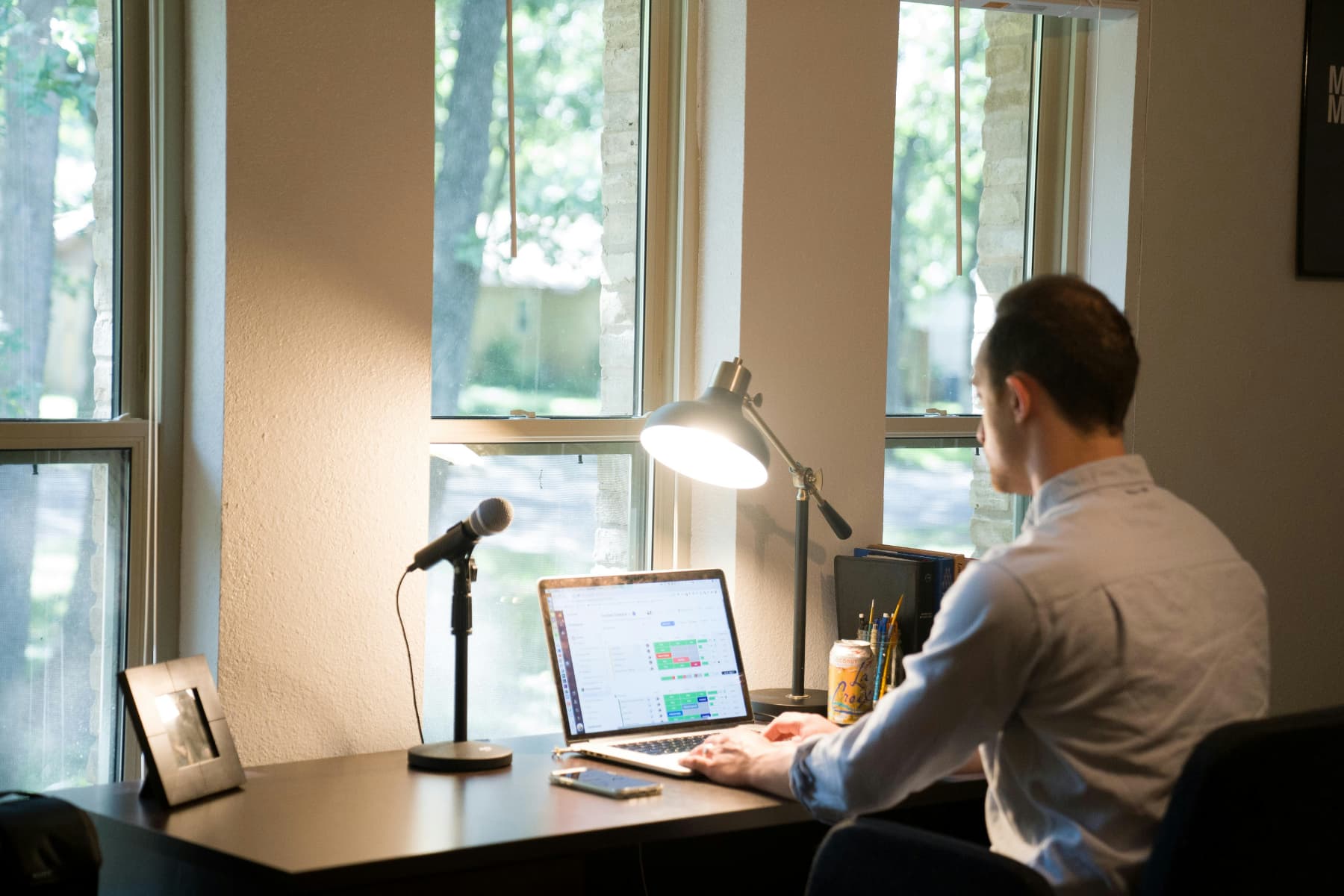
The ergonomics in the office environment It is often seen as a secondary aspect of business management, but in reality it has a a direct impact on costs, productivity and the well-being of employees. Musculoskeletal injuries, absenteeism and loss of productivity associated with poor ergonomic practices are one of the most underestimated problems in many organisations.
Why is office ergonomics a business issue?
Office ergonomics is not just a matter of occupational health, but a key economic factor. Companies that do not manage this aspect properly face higher levels of sick leave and a significant drop in productivity.
The musculoskeletal conditions caused by poor posture or unsuitable workstations are one of the the main causes of absenteeism in administrative settings. This involves not only the direct cost of the employee’s absence, but also the impact on the organisation of work, the need for cover and the loss of team efficiency.
The 5 most common ergonomic risks in office environments
In office environments, the most common ergonomic risks are linked to repetitive movements and unsuitable working conditions:
- Forced postures or postures maintained for long periods
- Prolonged use of screens without adequate breaks
- Furniture not suited to the workplace
- Work-related stress and prolonged tension
- A sedentary lifestyle and a lack of physical activity throughout the day
These factors are directly linked to the onset of back, neck and upper limb pain, as well as with eye strain and concentration problems.
How much does poor ergonomics really cost your business?
The economic impact of poor ergonomics is considerable and, in many cases, goes unnoticed by the company until it is analysed in depth. The The cost is not limited solely to the days of sick leave, but rather includes:
- Loss of productivity for the affected employee
- Need for staff replacements or a reallocation of tasks
- Work overload for other team members
- Decline in the area’s overall performance
When these factors are taken together, the economic impact can be significant, particularly in organisations with large administrative teams. The ergonomics, therefore, It is not an expense, but an investment in operational efficiency.
An employer’s legal obligations regarding ergonomics
Regulations on occupational health and safety set out clear obligations for companies with regard to ergonomics.
The Royal Decree 488/1997, For example, it regulates the minimum health and safety requirements at work with equipment that includes display screens.
The employer’s obligations include, in particular:
- Carry out ergonomic risk assessments
- Tailoring jobs to suit employees’ characteristics
- Ensuring health monitoring for workers
- Train staff in good ergonomic practices
The breach of these obligations may lead to sanctions and legal liability, as well as the costs associated with accidents at work or occupational illnesses.
How to prevent ergonomic risks: practical measures
The prevention of ergonomic risks in the office is based on a combination of workstation design, healthy habits and training. Some key measures These include:
- Ergonomic workplace design (chairs, desks, monitor height)
- Incorporating active breaks into the working day
- Training in good posture and healthy habits
- Regular workplace assessments
- Promoting physical activity and reducing sedentary lifestyles
These measures not only reduce the risk of injury, but also improve general well-being and concentration of employees.
The role of ergonomics training in reducing absenteeism
Training is one of the most effective ways of preventing ergonomic problems in offices. A well-designed course on workplace ergonomics should cover aspects such as correct posture, adjusting the workstation, organising breaks and identifying common risks.
It is important that this training reaches all employees working in an office environment, not just those in specific roles. Prevention must be mainstreamed.
Furthermore, its impact can be measured using indicators such as a reduction in sick leave, the improvement in perceived well-being or increased productivity.
Incorporating this type of training into a structured programme enables companies to reduce hidden costs and improve the team’s overall efficiency, turning ergonomics into a real competitive advantage.