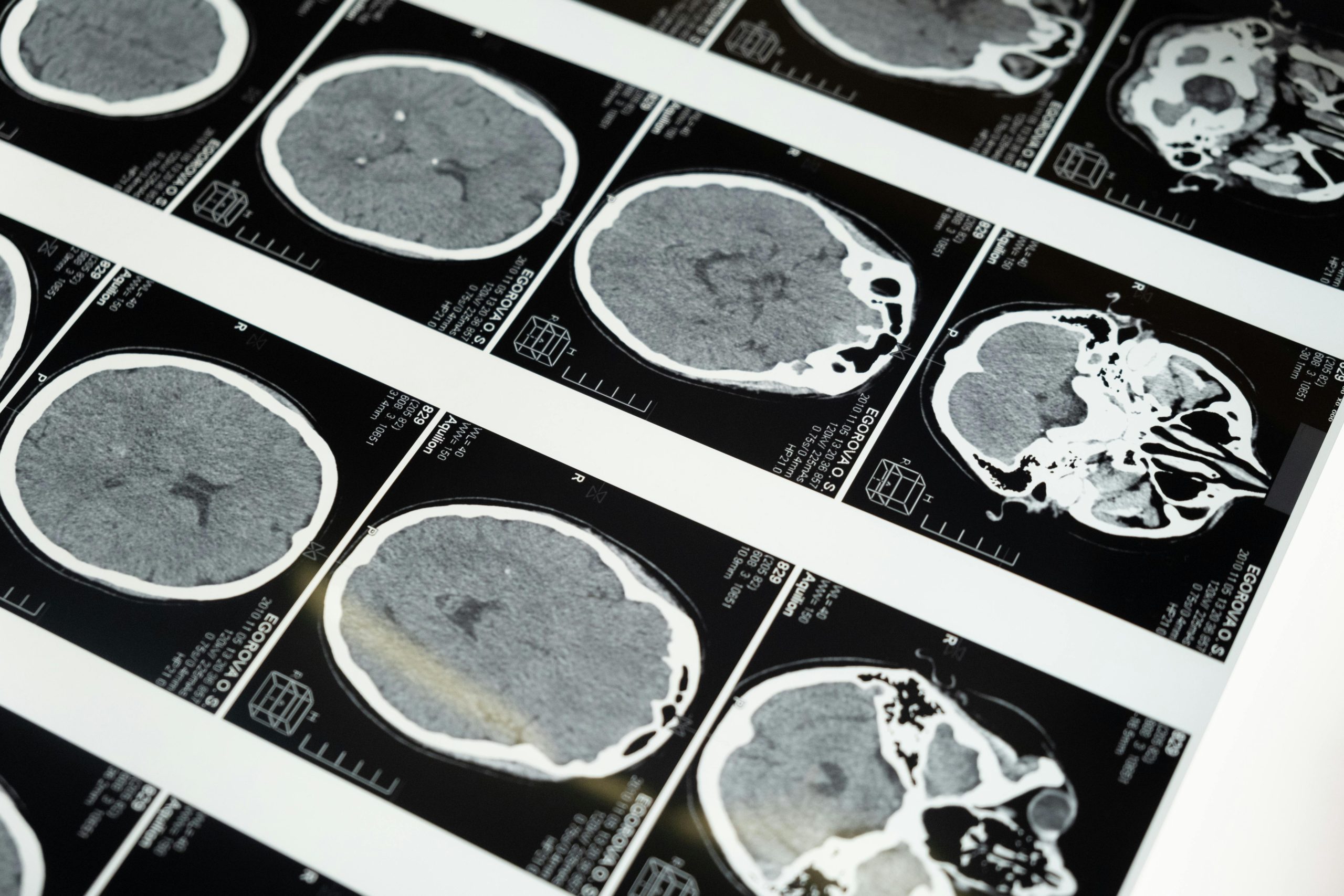
The term ‘neuro’ is all the rage because anything to do with the complex web of neural connections that each person harbours in their mind carries a degree of depth that transcends the boundaries of the rational. When discussing the neuroscience of emotions, it is important that we first understand what emotions are, where they originate and the different levels they manifest at, since, Although we all experience emotions, few of us dare to study them to manage them more effectively.
Will you join us on this fascinating journey through the world of neuroscience? This is where your exploration of the world of emotions begins!
Let’s understand what emotions are and where they come from
Emotions are like little engines that enable us to feel the stimuli of the world around us. They are complex, natural responses that arise within us in reaction to different situations that trigger thoughts.
These intense and often fleeting feelings are the result of the interaction between our brain and body and our environment, and they originate in different areas of the brain, particularly in regions such as the amygdala, the hypothalamus and the prefrontal cortex, which work together to process information and generate an emotional response.
For example, when something makes us happy, The amygdala and other areas of the brain release neurotransmitters such as dopamine and serotonin, which make us feel happy and satisfied. Similarly, if we experience fear, the amygdala can trigger an alert response, activating the «fight-or-flight» system.
Emotions are a vital part of our human experience and influence 99% of the decisions we make; that is why it is so important that we know how to identify and manage them. Just imagine how fascinating it is to understand how these internal mechanisms work, the ones that make us feel so strongly on a day-to-day basis!
The neuroscience of emotions: magic arises in the limbic system
The neuroscience of emotions focuses on studying and explaining how the brain processes, generates and regulates emotions, by examining the brain regions, neural connections and chemical processes involved in emotional experiences. This science investigates the different regions of the brain that interact to trigger emotional responses, as well as neurotransmitters such as dopamine and serotonin, and how they influence the formation and expression of emotions such as happiness, fear, sadness and empathy.
Neuroscience therefore builds on a number of foundations, which form the focus of its research:
Structure of the nervous system: This involves the study of the anatomy and organisation of the central and peripheral nervous systems, including the brain, the spinal cord and the peripheral nerves.
Neural functioning: explores how neurons communicate with one another via electrical and chemical signals, as well as the role of neurotransmitters in the transmission of information within the nervous system.
Brain plasticity: refers to the brain’s ability to change and adapt throughout life by forming new synaptic connections, through learning and by recovering from injury.
Neurobiology of emotions and cognition: It examines how the brain processes sensory information, makes decisions, generates emotions and controls behaviour, involving areas such as the prefrontal cortex, the amygdala and the hypothalamus.
Molecular and cellular neuroscience: focuses on the study of molecular and cellular processes within neurons, including gene expression, protein synthesis and intracellular signalling mechanisms.
Technologies and research methods: these include techniques such as functional magnetic resonance imaging (fMRI), electroencephalography (EEG) and high-resolution microscopy, which enable brain activity and neural structures to be observed in great detail.
The mind-brain relationship: explores the link between mental processes, cognition and brain activity, seeking to understand how subjective experiences relate to neural activity.
Clinical and therapeutic applications: It focuses on using neuroscientific knowledge to develop treatments for neurological, psychiatric and neurodegenerative disorders, as well as on improving the quality of life of people with brain injuries.
The relationship between neuroscience and emotional intelligence
Now that you have a general idea of what emotional neuroscience is all about, let’s ask ourselves the following: if it all comes down to physiological processes, is it possible to control our emotions so that they do not control us? The answer is yes, but to do that We must be emotionally intelligent and to work on managing emotions in a mindful way.
Emotional intelligence is closely linked to neuroscience, as the former focuses on understanding and managing the responses provided by the latter. If we do not know how emotions work biologically, it will be impossible to manage them from a psychological perspective, let alone carry out therapy.
What happens in the brain when we experience emotions?
When we experience emotions, different areas of the brain are activated which process the information in specific ways, simultaneously triggering a series of physiological and mental responses, which we describe below:
The emotional stimulus is received
When a situation triggers an emotion, such as fear, joy or sadness, the senses pick up the information and send it to the brain to be processed.
Stimuli are processed in the brain
Various regions of the brain are activated. The amygdala, for example, plays a key role in rapidly assessing the situation and generating immediate emotional responses. The hypothalamus can trigger the release of hormones, such as adrenaline, which sets off the «fight-or-flight» response.
The stimulus reaches the prefrontal cortex
This region of the brain is involved in regulating and analysing emotions. It helps to interpret emotional information, control impulsive responses and make decisions based on a rational assessment of the situation.
The limbic system generates the first emotions
This network of connections acts as an emotional processing centre, integrating emotional responses with past memories and previous experiences to provide context and meaning for the present emotion.
Production of neurotransmitters
An emotional experience involves the release of neurotransmitters such as dopamine, serotonin and noradrenaline, which influence mood and the intensity of the emotion.
Physiological responses to emotions
Emotions also trigger changes in the body, such as an increased heart rate, dilated pupils, changes in breathing and the release of hormones linked to stress or well-being, depending on the type of emotion experienced.
We hope this post has helped you gain a better understanding of how emotions work and just how important it is to study them from a neurological perspective. What about you? Would you like to find out more about emotional intelligence? Find out more at Educa.pro!