If you thought that by mastering the English It used to be enough to grow professionally and focus on what you love most, but we’re sorry to say that’s no longer the case. The world has become so globalised that the more languages we know, the better – whilst always bearing in mind which are the most widely spoken and most commonly used in our chosen sector. For example, in the world of business and commerce, there is undoubtedly a need for to speak English fluently, French and German, which are associated with the major European economic powers.
If we’re setting our sights on the international stage, then it would also be a good idea to start learning Chinese, as China is already the world’s leading technological power. Anyway, as you can see, learning languages is starting to shift from being an option to being a necessity.
But, Let’s focus on French, Haven’t you started learning basic French yet so you can get by in everyday conversation? Get started right now with this post!
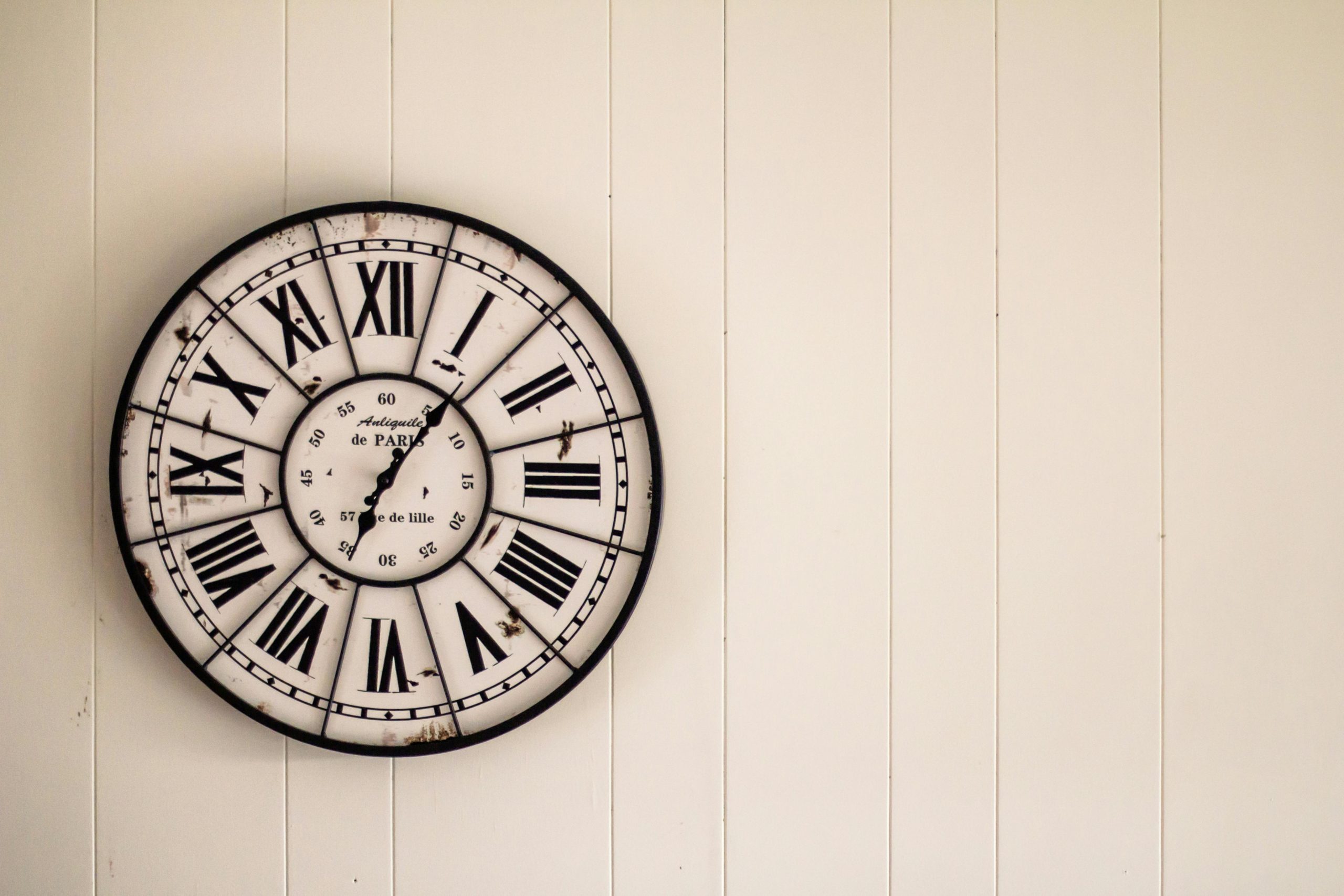
Can you tell the time in French? Learn this and lots of other everyday French phrases
To learn French properly, just like any other language, you need to start by building up your basic knowledge, and your main aim should be to train your ear to recognise the most basic everyday conversations. For example, if you were travelling to Paris, would you know how to ask what time it is in French, ask for directions or ask for a menu?
Make a note of the ten most useful phrases in French!
- Where is…? – Où est…? (For example, Where is the main street? – Où est la rue principale?)
- How much does this cost? – Combien ça coûte? (For example, How much does this book cost? – Combien coûte ce livre?)
- I don’t understand – Je ne comprends pas
- Could you repeat that, please? – Pouvez-vous répéter, s’il vous plaît?
- Where’s the loo? – Où sont les toilettes?
- I'd like to book a table – Je voudrais réserver une table
- What do you recommend? – Qu’est-ce que vous recommandez?
- The bill, please – L’addition, s’il vous plaît
- Can you help me? – Pouvez-vous m’aider?
- What time is it? – Quelle heure est-il?
How do you write the time in French? Learn how to say hours, minutes and fractions of an hour in French
- On the hour: «heure pile» or «heure exacte» (for example, «It’s 3 o’clock on the hour» – «Il est trois heures pile»).
- And a quarter: «et quart» (for example, «It’s a quarter past four» – «Il est quatre heures et quart»).
- Half past: «et demie» (for example, «It’s half past five» – «Il est cinq heures et demie»).
- A quarter to: «moins le quart» (for example, «It’s a quarter to six» – «Il est six heures moins le quart»).
- Half past: «moins la demie» (for example, «It’s half past seven» – «Il est sept heures moins la demie»).
As well as these expressions, you can also use the decimal fraction format to give the exact time. For example, «It’s 3.45» can be said as «Il est trois heures quarante-cinq» or simply «Il est trois heures quarante-cinq minutes».
How do you ask for and tell the time in French?
Now that you know how to tell the time in French, learn how to ask for the time as follows: Quelle heure est-il?
And say it like this: Il est. (whatever the time)
How do you say the date in French?
To say the date in French, the following pattern is generally used: «jour (day) + mois (month) + année (year)». Below, I’ll show you some examples of how to say the date in French:
- 6 July 2023: «le 6 juillet 2023» (pronounced: «le sis juillet deux mille vingt-trois»).
- 21 March 2024: «le 21 mars 2024» (pronounced: «le vingt et un mars deux mille vingt-quatre»).
- 9 December 2025: «le 9 décembre 2025» (pronounced: «le neuf décembre deux mille vingt-cinq»).
It is important to remember that in French the format «day + month + year» is used, with each element separated by spaces. Furthermore, the day is written as a cardinal number (1, 2, 3…) and the year is read in groups of two digits.
We hope this post has helped you brush up on the basics of French that you’ve had tucked away since secondary school; now it’s up to you to keep making progress in the world of languages to broaden your opportunities for growth on the international stage or to secure the top roles in your sector.
Subscribe to Educa.Pro and find out where the job market is heading!