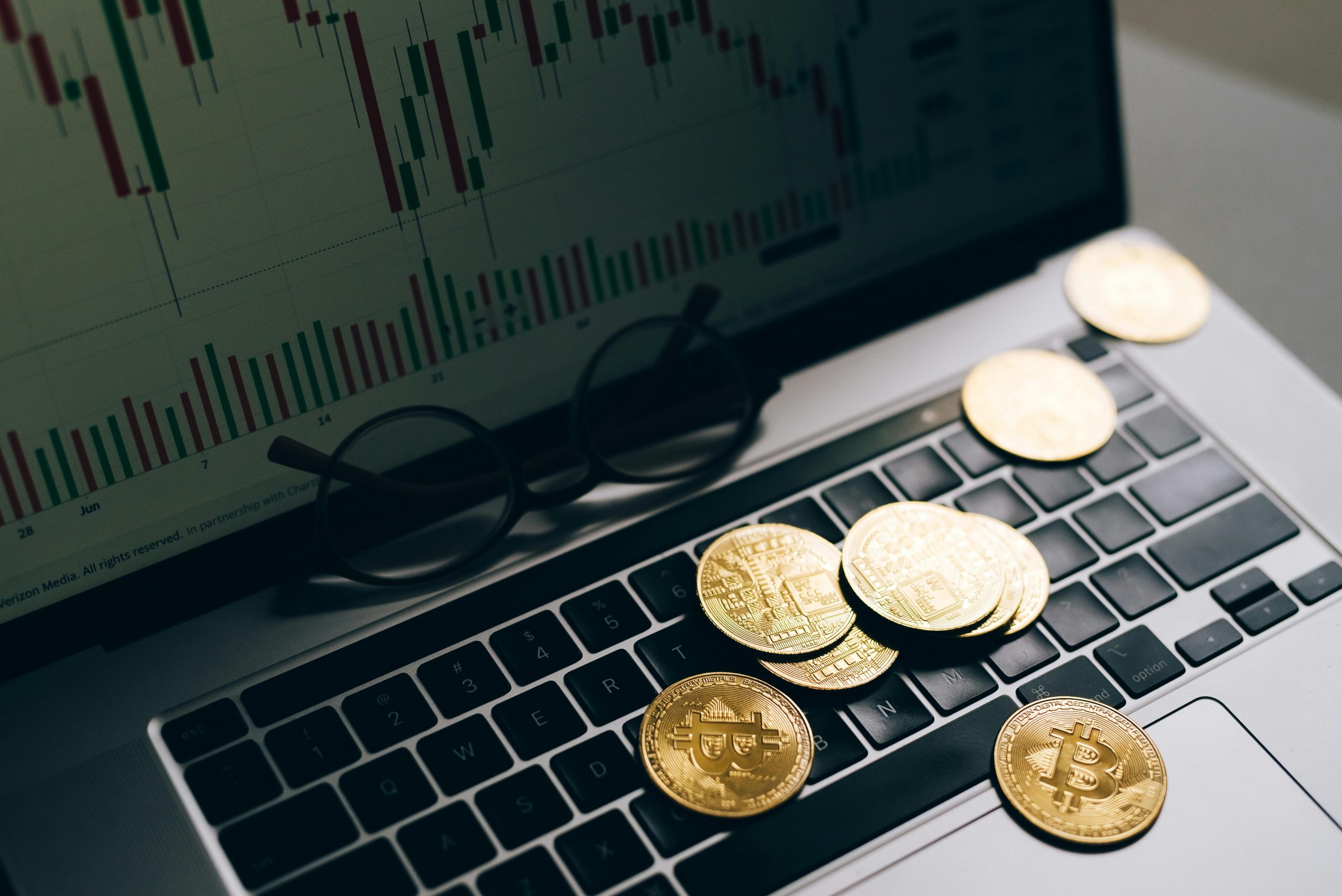
The financial markets These are markets where financial assets or instruments are traded. These assets represent rights to future cash flows. In other words, they are a way of investing or raising funds in the present with the expectation of generating a return or profit in the future.
In the economic sphere, the financial markets They play a vital role, as they channel savings into investment, facilitate risk management, contribute to price formation, and promote growth and development. However, like everything else, they require regulation and supervision to ensure they do not cause instability or lead to a crisis.
Would you like to find out more about the financial markets? Read on!
Types of financial markets
Financial markets can be classified according to various criteria, such as time horizon, liquidity, organisation, transparency or the degree of intervention. Below, we outline the most common types:
- Money market: It is the market in which short-term financial assets – that is, those maturing in less than a year – are traded. These assets carry low risk and offer low returns, whilst being highly liquid. It serves to finance the cash flow requirements of economic agents and to enable central banks to regulate the money supply.
- Capital markets or fixed-income and equity markets: It involves medium- and long-term financial assets (over one year). It carries higher risk and offers higher returns than the money market, but has lower liquidity. It is useful for financing investment projects by companies and governments, and for enabling investors to share in the profits or losses of such projects.
- Foreign exchange market: As its name suggests, it relates to the currencies of different countries. These currencies have a relative value in relation to one another, which is known as the exchange rate. This market serves to facilitate international trade, financial transactions between countries, and speculation on currency fluctuations.
- Derivatives market: commercial transactions are carried out with contracts which derive their value from another financial asset. There are various types of contracts, such as futures, options and swaps. It is important to note that they carry high risk and offer high returns, whilst having low liquidity. They are typically used to hedge against the risk of price fluctuations in the underlying assets, and to speculate on such fluctuations.
Characteristics of financial markets
At this point, you should bear in mind that there are certain features that characterise and distinguish financial markets. Take note of what we’re about to tell you:
- Liquidity: the ease with which a financial asset can be bought or sold without its price being affected.
- Depth: is the ability of a market to absorb large volumes of trading in financial assets without their prices being significantly affected.
- Range: refers to the degree of diversity of the financial assets traded on a market.
- Transparency: It relates to the information provided to market participants regarding the characteristics, prices and terms of the financial assets being traded.
- Efficiency: refers to a market’s ability to reflect all available information in the prices of financial assets, so that those prices serve as a reliable indicator of the assets’ true value.
Functions of the financial markets
Financial markets serve the purpose of allocate resources between economic agents with a savings surplus and those with an investment deficit. This optimises the use of available resources and increases production and consumption. Furthermore, manage risks associated with economic activities, using financial instruments that make it possible to secure or adjust future cash flows, or by participating in secondary markets where the assets held can be bought or sold.
Furthermore, they also serve the purpose of price formation of financial assets. The prices of financial assets reflect the present value of the future cash flows generated by those assets, and also incorporate available information on market conditions and expectations. Finally, they convey relevant information to economic agents about market conditions and expectations, in such a way that they orient their decisions on investment, consumption, saving and production, and they incentive their responsible, innovative and sustainable behaviour.
Did you find this post on financial markets interesting? Would you like to find out more about the economic and financial plans of a company? Subscribe to Educa.Pro and discover all the latest news!