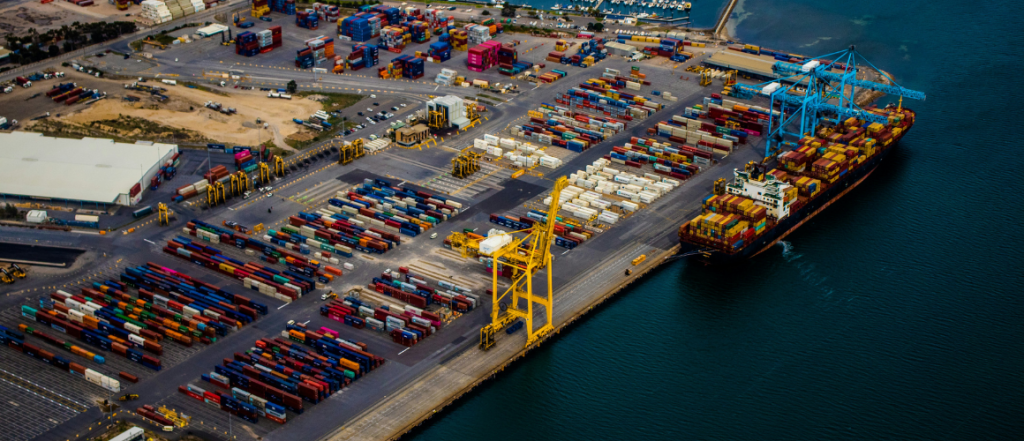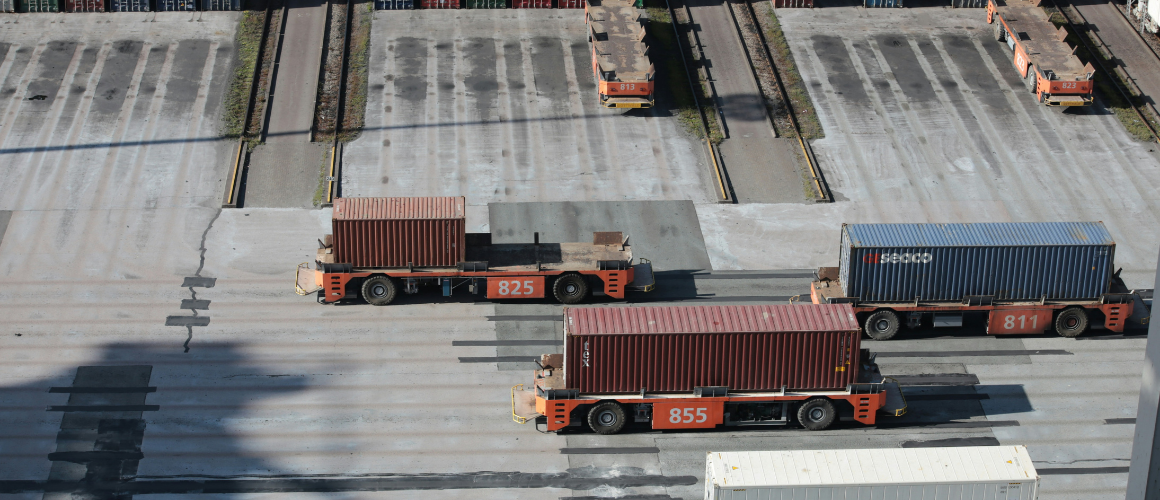
In Spain, lorries account for more than 90% of freight by tonne-kilometre. In Germany, that figure stands at 70%. The difference is no coincidence: it reflects decades of investment in rail and maritime infrastructure, but also a different logistics culture and operations teams with greater expertise in intermodal alternatives. Against a backdrop of increasing pressure on fuel costs, emissions regulations and European climate targets, Intermodality is no longer just an advanced option; it has become a core skill for any logistics manager.
What is intermodality and why is it at the heart of European logistics in 2026?
Intermodality is the use of two or more modes of transport within the same logistics chain, where the load unit (typically the container) is not handled during transhipments. The difference between intermodal and multimodal transport lies in the contractual arrangements: in intermodal transport, there is a single operator responsible for the entire chain. The aim of European transport policy is reduce the lorry’s toll charge in long-distance freight transport and to increase the share of rail and sea transport, both to alleviate congestion and to reduce emissions. The Atlantic and Mediterranean corridors, in which Spain is a key hub, are the two major investment priorities for the period 2021–2030.
The three modes of transport and when to use each one: train, boat and lorry
Each mode has a different suitability profile depending on the type of goods, volume, distance and urgency of the shipment. Lorries are the best option in terms of flexibility and for short distances. Trains are more cost-effective and sustainable for distances of 300–400 km and for medium or high volumes. Shipping is unbeatable in terms of cost and carbon footprint for large volumes on coastal or international routes, albeit with longer transit times.
⚙️ Delivery details
📦 Tonnes and urgency
Transport hubs: ports, logistics centres and intermodal terminals in Spain
The network of intermodal infrastructure in Spain includes ports with a direct rail link (Algeciras, Valencia, Barcelona, Bilbao), logistics platforms such as ZAL (Logistics Activities Zone), PLAZA in Zaragoza or CLA in Antequera, and dry ports which act as an extension of the seaport into the hinterland. Knowing what infrastructure is available at the origin and destination of each route is the first step towards designing a viable intermodal solution. A lack of this knowledge is one of the reasons why many logistics managers rule out rail or sea transport without having properly assessed them: the options do exist, but they are not always apparent from a lorry-based perspective.
How to design an intermodal route: the decision-making process step by step
The design of an intermodal route begins with the inspection of the goods: type, volume, fragility, urgency and temperature or security requirements. From there, the mode or combination of modes is selected for each leg of the journey, the availability of infrastructure at the point of origin and destination is verified, and the multimodal documentation is managed, which in the case of international transport includes the bill of lading, the rail or maritime CMR, and customs documentation. The Intermodal Transport Operator (OTI) is the body that manages the entire chain under a single contract: working with an accredited OTI significantly simplifies document management and clarifies liability in the event of an incident.
Barriers and challenges to intermodal transport in Spain: why it is not used more widely
The main obstacles are well known and are in the process of being resolved, albeit slowly. The Iberian track gauge (1,668 mm compared with the European standard of 1,435 mm) means that bogies must be changed or goods transhipped at the French border, which adds to the time and cost. The rail capacity for freight is limited by the long-standing priority given to passenger services on the Spanish rail network. The less predictable journey times The preference for rail over road transport is causing hesitation in sectors that operate just-in-time supply chains. And the lack of frequencies On some domestic shipping routes, this limits planning options. What is changing: European funding for the Atlantic and Mediterranean corridors is financing the conversion to standard gauge, and the Motorways of the Sea have improved their services on peninsular and international routes.
Training in intermodal logistics: what operations and procurement teams need to know
The knowledge gap regarding intermodal transport within Spanish logistics teams is real and measurable: the majority of those responsible for operations and transport procurement have been trained in a truck-centred model and have little knowledge of rail or maritime alternatives, their operators, the specific documentation required or the suitability criteria. The key skills for an intermodal route planner These include knowledge of the infrastructure network, handling multimodal documentation, criteria for selecting transport modes by type of goods, and the ability to negotiate with transport operators. For transport procurement managers, proficiency in cost-service-carbon footprint analysis is increasingly in demand from clients and regulators. From the Educa.Pro’s Transport and Logistics catalogue You will find specific courses in intermodal logistics, for which the whole workforce is eligible for funding through FUNDAE.
Intermodality is not the future of freight transport in Europe: it is the present reality for the most competitive operators. Adopting the mindset and skills required to combine transport modes intelligently is an advantage that translates directly into lower costs, the achievement of sustainability targets and the ability to respond to volatility in the road transport market.