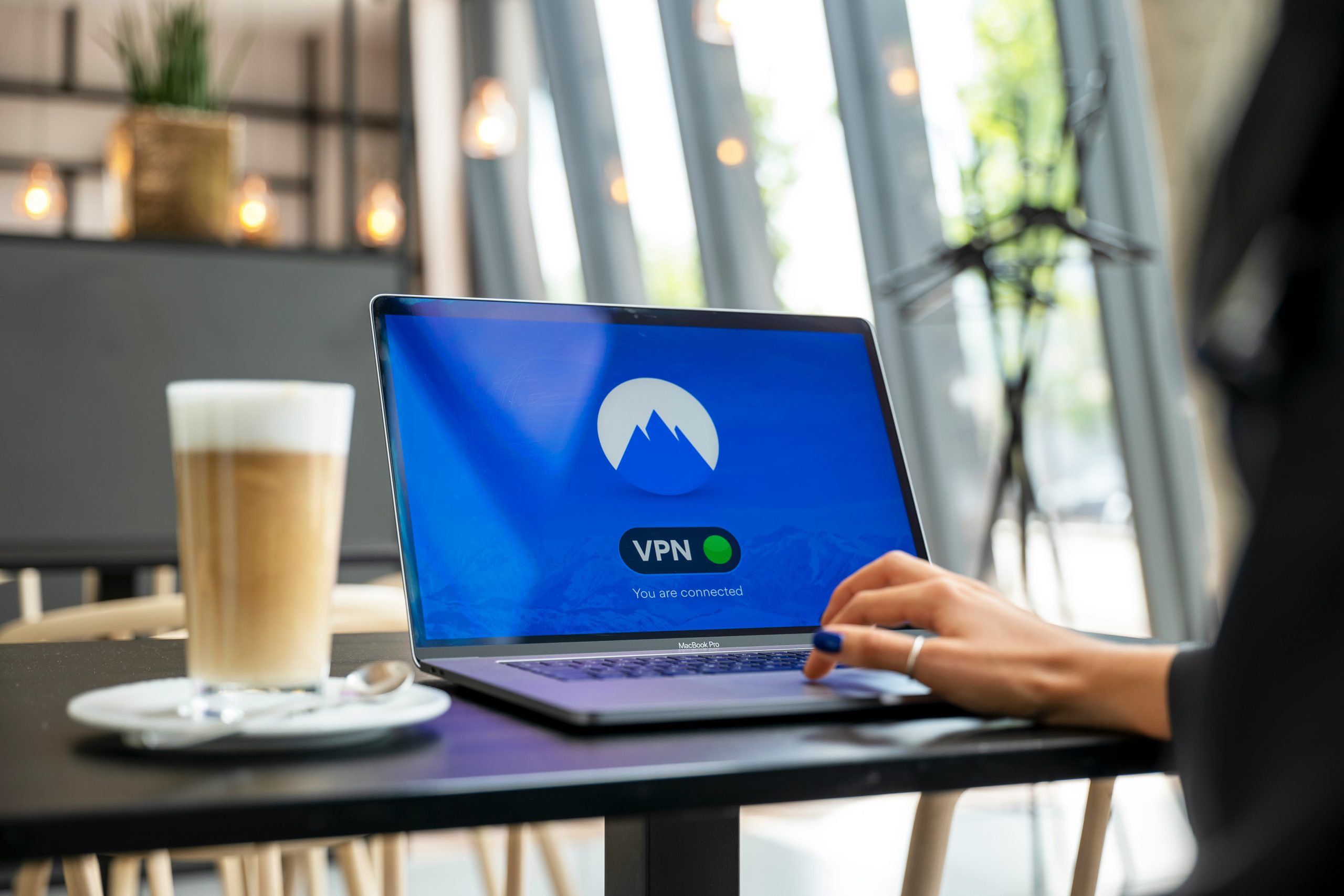
The teleworking has experienced an unprecedented boom in recent years, driven by technological advances and, more recently, due to the COVID-19 pandemic. This model of remote working offers flexibility and convenience for both employers and employees, but it also poses significant challenges in terms of security and efficiency. This is where a VPN (Virtual Private Network).
The VPNs are essential tools for to ensure data security and maintain productivity. In this article, we’ll explore the leading VPN solutions for remote working and how they can transform your remote working experience.
What is a VPN and why is it essential for remote working?
A VPN creates a secure, encrypted connection between your device and the network server, protecting your data from potential threats and enabling secure remote access to company resources. This technology is crucial for remote working for several reasons:
- Data security: VPNs encrypt the data transmitted between the employee and the company, protecting it from potential cyberattacks.
- Secure remote access: They enable employees to access the company network from anywhere in the world, without compromising security.
- Privacy: A VPN hides the user’s IP address, protecting their identity and location.
- Efficiency: They facilitate access to corporate resources, improving productivity and collaboration.
Top VPN Solutions for Remote Working
There are various VPN solutions on the market, each with its own unique features and benefits. Below, we highlight some of the most notable ones.
NordVPN Teams
- Advanced security: It offers military-grade encryption and advanced features such as a Kill Switch and DNS leak protection.
- Ease of use: Its intuitive interface and 24/7 support make it an ideal choice for teams of all sizes.
- Access to multiple servers: With over 5,000 servers in 60 countries, it guarantees fast and secure connections.
Cisco AnyConnect
- Business integration: Designed for large organisations, it integrates easily with existing systems.
- Robust security: It offers multiple layers of security and authentication options.
- Mobility: It enables employees to connect from any device, anywhere.
Fortinet FortiClient
FortiClient It is a comprehensive solution that combines a VPN, threat protection and endpoint management. It provides a secure connection to the corporate network and also includes personal firewall and antivirus features. It is particularly useful for organisations looking for an all-in-one solution.
ExpressVPN
- Fast performance: Known for its high speeds, it is ideal for tasks that require considerable bandwidth.
- Cross-platform compatibility: It works on a wide variety of devices and operating systems.
- No-registration policy: It ensures users’ privacy by not storing browsing data.
Perimeter 81
- All-in-one solution: Combines VPN with network security features, such as firewalls and access control.
- Ease of implementation: Quick setup and easy management via a centralised control panel.
- Scalability: Ideal for growing businesses, it allows you to add users and resources easily.
OpenVPN
- Flexibility: OpenVPN is highly configurable, allowing businesses to tailor the solution to their needs.
- Open source: Transparency and an active community that contributes to its security and continuous improvement.
- Profitability: It offers an affordable option without compromising on safety.
Implementing a VPN for remote working
Setting up a VPN for remote working involves several key steps:
- Needs assessment: Identify the specific requirements of your business and employees. Consider factors such as the number of users, types of devices and the level of security required.
- Selection of the solution VPN: Based on the above assessment, choose a solution that meets your needs. The options mentioned above are a good starting point.
- Configuration and deployment: Set up the VPN on the company’s servers and on employees’ devices. Ensure that the configuration includes appropriate security policies.
- Training and support: Trains staff on how to use the VPN and provides ongoing support to resolve any technical issues.
- Monitoring and updating: Regularly monitor the VPN’s performance and security. Carry out updates and adjustments as required to maintain its effectiveness and security.
Benefits of remote working with a VPN
Setting up a VPN for remote working offers numerous benefits, including:
- Improvement of the safety: VPNs protect sensitive company data, reducing the risk of cyberattacks and data breaches.
- Increased productivity: By providing secure and fast access to the company’s resources, employees can work more efficiently from any location.
- Flexible working arrangements: Employees are free to work from anywhere, which can boost job satisfaction and attract talent.
- Regulatory compliance: Many industries require specific security measures to protect data. A VPN helps to ensure compliance with these regulations.
- Cost reduction: to the facilitate remote working, companies can save on operating costs, such as office space and travel expenses.