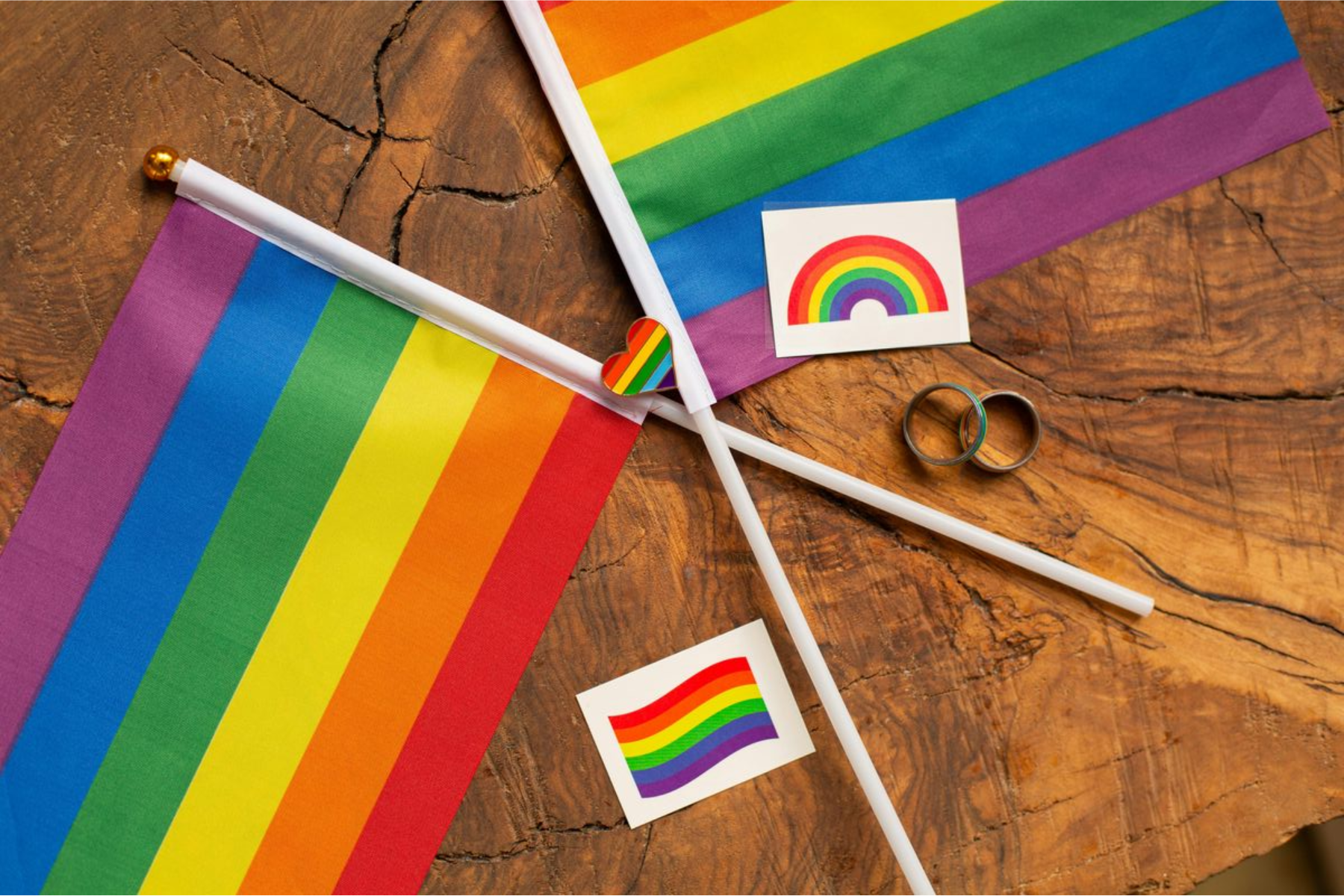
In June, the streets of many cities are filled with colour, rainbow flags begin to fly from corporate buildings, and social media is flooded with profile pictures celebrating love and diversity. We are in the LGBTIQ+ Pride Month. However, amidst this wave of visibility and acceptance, a recurring criticism has emerged directed at some of the organisations joining in the celebrations. We are referring to the pinkwashing.
The phenomenon of pinkwashing has attracted attention as a practice in which companies and organisations promote a progressive image and in support of the LGBTIQ+ community, mainly for commercial or public relations purposes. Although these gestures may appear inclusive and well-intentioned, they often lack any real commitment and deeply committed to the cause.
Behind the colourful adverts and promotions, there are often contradictory practices that do not reflect genuine support for the community’s rights and needs. In this context, it is essential to distinguish between genuinely inclusive initiatives and those that they are simply seeking to capitalise on the spirit of Pride without bringing about any substantial change. To mark Pride Month, in this post we discuss pinkwashing and its consequences.
Origin of the term ‘pinkwashing’
The the term ‘pinkwashing’ derives from the combination of the words «pink» and «whitewashing». This concept emerged in the 1990s when many companies were using the the fight against breast cancer, which is associated with the colour pink, to promote its products or enhance its image, even though some of these products might contain ingredients linked to cancer.
Over time, the term ‘pinkwashing’ has evolved. It is now used to describe companies that try to appear supportive of the community LGBTIQ+, whilst they continue to maintain work experience commercial operators, discriminatory, or which do not provide substantive support to this community beyond the superficial marketing.
Consequently, the pinkwashing It is a way of capitalising on the LGBTIQ+ community’s struggle and visibility to improve a brand’s public image without contributing to the community’s progress and well-being.
How could pinkwashing affect your brand?
Let’s make one thing clear from the outset: pinkwashing has a negative impact on your brand’s perception and reputation. That said, here are some details on how this practice can affect your business:
- Loss of credibility and trust: When a company is perceived as engaging in pinkwashing, it loses credibility in the eyes of consumers. This directly affects trust, as consumers may feel deceived or manipulated.
- Negative Reactions from the LGBTIQ+ Community: The LGBTIQ+ community and its allies are becoming increasingly aware of and critical of pinkwashing. If a brand is perceived as exploiting the struggles and symbols of the LGBTIQ+ community without offering any real support, it may face criticism and protests from activists and consumers both within and outside the community.
- Damage to reputation: Pinkwashing can damage a brand’s reputation in the long term. Superficial gestures of support may be seen as opportunism or as an attempt to capitalise on events such as Pride Month without genuine social responsibility or commitment to diversity and inclusion.
- Legal and regulatory risks: Certain marketing practices that use false or misleading claims may result in legal action. For example, regulations on misleading advertising may apply if a company is accused of making false claims about its support for the LGBTIQ+ community.
- Internal impact on employees: Pinkwashing can also affect employees internally. If a company does not back up its external claims with inclusive internal policies and practices, it can lead to discontent and a lack of motivation.
Key ways to spot pinkwashing
Now, let’s look at pinkwashing from the users’ perspective. How can you tell if a company is using this tactic in its marketing strategy? The first step is to look beyond mere statements and temporary symbols of support for the LGBTIQ+ community. When assessing a company’s commitment to inclusion, seeks clear and consistent internal policies over time.
Please also bear in mind that the pinkwashing tends to manifest itself in superficial gestures during events such as the Pride Month, without any genuine support for the rest of the year. To work out whether a company is genuinely committed, look at the actions it takes throughout the rest of the year. If it only runs one-off marketing campaigns, be wary. Also, keep an eye out for any contradictions between the corporate practices and public statements.
For example, a company might change its logo to rainbow colours during Pride Month, but what about the rest of the year? Does the company have inclusive policies for LGBTIQ+ employees? Does it actively support LGBTIQ+ organisations through donations or volunteering? If the answer to these questions is no, then the company may be using the pinkwashing to improve its public image without taking any meaningful action to promote equality and diversity.
Tips for avoiding pinkwashing
If you want to avoid pinkwashing in your company, here are a few tips you can put into practice. That said, we can already give you the main tip: Be consistent in what you say and do. Remember that the fight for equality, inclusion, respect for diversity and love in all its forms goes beyond a single month or any specific timeframe.
In addition to this, we can offer the following advice:
- Be transparent about your efforts in the areas of inclusion and diversity. Publish sustainability or inclusion reports detailing your policies, programmes and the actual impact of your actions. The Transparency builds trust.
- Provides regular training on diversity, inclusion and LGBTIQ+ awareness at all levels of the organisation. This helps to create a more inclusive and empathetic working environment, where all employees feel valued and respected.
- Don’t use LGBTIQ+ symbols or messages simply as a short-term marketing strategy. Make sure that your actions reflect a genuine and respectful commitment towards the community and avoids practices that might be perceived as pinkwashing.
- It forges meaningful partnerships with LGBTIQ+ organisations and allies who support your values and inclusion objectives. This may include collaboration on community initiatives, educational events and awareness-raising campaigns.
Would you like to keep up to date with this and other topics such asLGTBI policy for businesses? Keep reading our blog at Educa.Pro!