Spending long hours at work in the same position often has serious consequences for the health of your back, from the neck down to the lower back; that is why it is important not to forget to take plenty of active breaks throughout the working day. Just five minutes will be enough if you know how to work out the most challenging areas.
Would you like to find out about occupational health and hygiene requirements To avoid the most common aches and pains? Keep reading this post right to the end!
What are active breaks at work, and why are they so important?
When we talk about taking a break at work, we don’t necessarily mean popping out for a coffee or a trip to the loo; you can also use the time to move around, get your blood flowing and activate your muscles – in short: to do a break of sitting.
Rest during working hours is so important that the Workers’ Statute, Article 34, It stipulates that, if the working day is continuous and exceeds 6 hours, the worker shall be entitled to a break or rest period of not less than 15 minutes, and this is a compulsory break. Of course, short breaks to rest the eyes must also be taken into account.
Were you aware of the concept of «technical» rest periods?
These breaks are covered by health and safety regulations and are mandatory, although each collective agreement manages them in a different way. These breaks consist of five minutes’ time away from the screen for every hour of actual screen time; they may not be carried over. Furthermore, did you know that, from a psychological perspective, active breaks increase self-control and reduce anxiety, stress, aggression and depression? They also stimulate creativity and emotional intelligence, and improve memory.
It is mainly for these reasons that the HR department recommends that all staff take these regular breaks. Why not introduce them in your company?
Take note of the following examples of active breaks at work and improve your day-to-day health
There are lots of ways to take active breaks, and below we’ll give you some ideas to help you get started with your routine today.
Breathing exercises: these consist of breathing techniques that help you relax and improve your concentration. By practising them, you’ll see a significant reduction in your stress levels.
Stretching exercises: These are gentle movements that help improve muscle flexibility and reduce built-up tension, making them ideal for preventing back and neck pain. They can be done whilst sitting or standing, and target different parts of the body such as the neck, arms, back and legs.
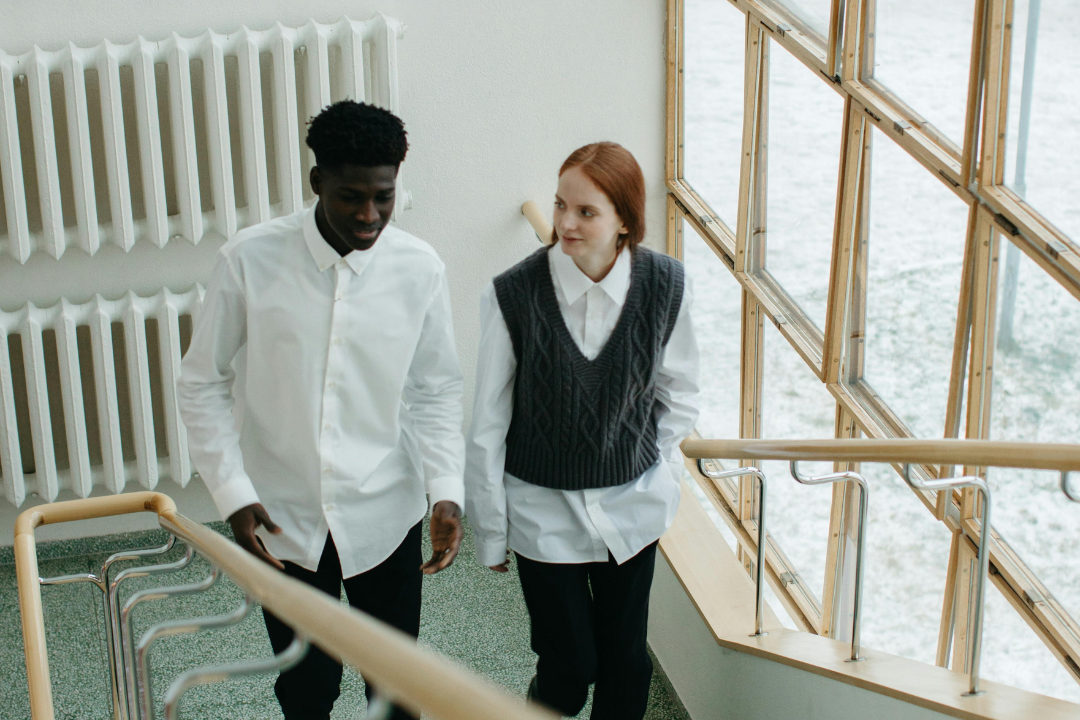
Going up and down stairs: If your workplace is large, avoid using the lift – take the stairs instead. This way, you’ll rack up more steps each day, boost your metabolism, increase your energy expenditure and improve circulation in your legs.
Short walks: Walking for a few minutes helps to clear your mind and improve blood circulation. This is a good tip for workers who spend many hours sitting in front of a computer.
Do 10 squats: every time you go to the toilet, set yourself the challenge of doing ten squats to tone your glutes and legs. You’ll also give your cardiovascular system a boost.
Do some joint mobility exercises: Joint mobility is an aspect of physical health to which we should pay particular attention. As we get older, our joints lose their natural range of motion and the cartilage wears down, which is why we should include mobility exercises in our routine.
Relaxation activities: include techniques such as meditation, the mindfulness, visualisation, or progressive muscle relaxation, which help to reduce anxiety and stress and also improve the quality of sleep.
To finish off, here are 4 super-simple exercises to help you improve your joint mobility
- Move your head up and down by bending and straightening your neck.
- Move your head in a circular motion.
- Lift your shoulders and move them backwards and forwards.
- Stretch your arms out to the sides and make circular movements forwards and backwards
As you can see, it’s very easy to take active breaks at work – you just have to make a point of doing so. There are also plenty of other options, such as taking a walk around the building or whatever else you can think of. You can treat it as a game or as another step towards adopting new healthy habits.
Would you like to find out more about occupational health and safety? Subscribe to Educa.Pro and keep up to date with the most disruptive changes that will take your teams to the next level.