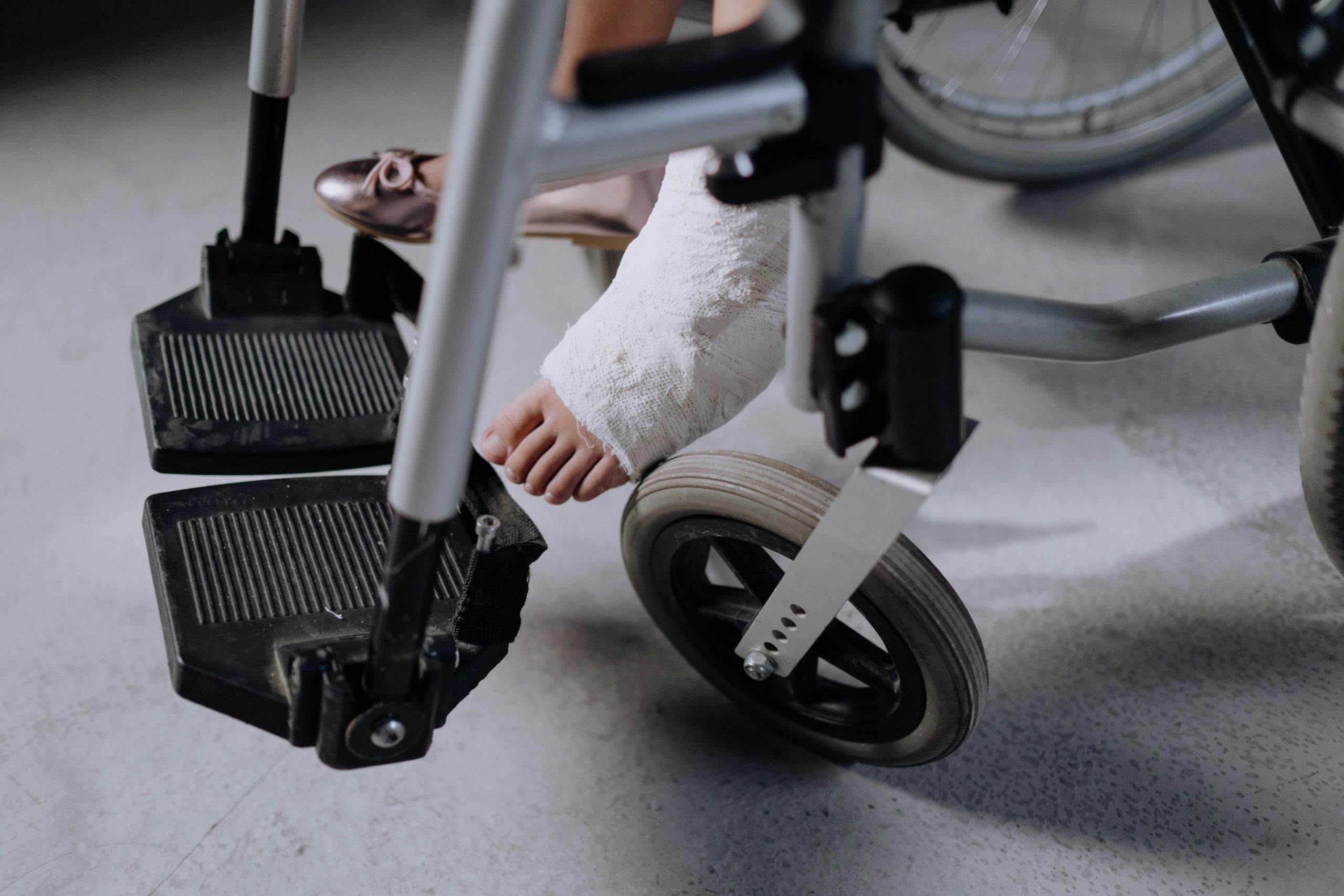
According to figures from the Ministry of Labour and the Social Economy, from January to August 2023, a total of 786,569 workplace accidents. Of this amount, the 52.4% wereaccidents resulting in casualties. What does this mean? It means that employees were able to take temporary leave from work due to work-related injuries or illnesses.
In this article, we discuss the sick leave following an accident at work, who authorises it, how it is authorised, and how much the worker is paid during this period. Let’s get started!
What does the law say about workplace accidents?
In Spain, the Article 156 of the General Social Security Act, defines the workplace accident such as any physical injury sustained by a worker in the course of, or as a result of, the work they carry out for an employer. This includes accidents that occur on the way to or from work, known as accidents whilst travelling to or from work, as well as those that occur whilst carrying out tasks that benefit the company, even if they are not part of their usual duties.
However, there are some exceptions. For example, it is not considered a work-related accident if it is caused intentionally or through gross negligence on the part of the employee, or if it is caused by force majeure that has nothing to do with work.
Now then, do all accidents result in a sick leave? The answer is no, and in the next section we’ll explain why.
When is an accident considered to result in sick leave?
For an accident to be recognised as the cause of sick leave, it must meet certain criteria. The first of these, as we mentioned earlier, is that it must occur during the carrying out work activities or in the journey between home and the workplace. Furthermore:
- The accident must result in a a physical injury or an illness that disablethe employee to carry out their usual duties.
- There must be a a direct link between the accident and the work carried out. In other words, the injury or illness must be a direct result of work-related activities.
Find out who is responsible for issuing sick leave following a workplace accident and how to apply for it
The sick leave following an accident at work It can be issued by a GP or a doctor from your health insurance provider. The process for applying for sick leave following a work-related accident generally involves the following steps:
- Initial medical care: When an employee suffers an accident at work, the first step is to seek medical attention. If the injury is not serious, the employee can see their GP for treatment and to obtain a medical certificate confirming their sick leave.
- Accident report: If the company is registered with a mutual insurance scheme, the employee may be seen by the scheme’s doctor instead of visiting their GP. This doctor will issue an accident report, which is an official document certifying that the accident took place and that it was work-related, as well as confirming the need for sick leave where necessary.
- Notification to the company and the Social Security authorities: The doctor provides the employee with a copy of the sick note, and it is the National Social Security Institute that notifies the employer of the employee’s sick leave. The sick note must state the date of the medical examination and the period during which the employee will be off work.
- Economic data: The company must report the employee’s financial details to Social Security.
Financial benefits whilst on sick leave
Whilst on sick leave following an accident at work, the employee is entitled to receive a financial benefit, which is covered by Social Security or the relevant administering body. On the day the accident occurs, the company must pay the full day’s wages. From the second day onwards, 75% of the wages is paid by Social Security.
It is also important to be aware that certain employment contracts may offer additional benefits. Furthermore, some mutual They also offer additional benefits alongside the allowance, such as payment of 100% of the salary during the first few days of sick leave, or assistance with medical and rehabilitation costs. It is also worth noting that, whilst on sick leave, the employee continues to receive the bonuses of the salary.
Dismissal whilst on sick leave following an accident at work: is it justified or not?
Let’s make one thing clear: you can be dismissed from your job whilst on sick leave following an accident at work. However, the sick leave cannot be the reason for dismissal. In other words, if the company decides that you have engaged in misconduct or that you are not performing your duties satisfactorily, they can dismiss you. However, if it is discovered that the decision was motivated by a medical condition, it is considered inadmissible.
Below, we explain the types of dismissal that may apply in cases of sick leave following an accident at work:
- Dismissal based solely on the fact that an employee is on sick leave following an accident at work may be considered null. This means that the The dismissal is unlawful and the employee must be reinstated in their post on the same terms as before their suspension, and must also be paid the wages they failed to receive during the period of suspension.
- If the grounds for dismissal are not adequately substantiated, the dismissal may be declared unfair by a judge. The company would then have to choose between reinstating the employee and paying them the wages they have lost, or paying them compensation in an amount determined by law.
- The The dismissal is unfair where it is based on justified objective grounds, such as economic, technical, organisational or production-related reasons, or on serious misconduct on the part of the employee. In this case, the dismissal is carried out in accordance with current legislation and the employee would receive the relevant compensation where applicable.
We also recommend this article on the sick leave due to work-related stress and another one about the keys to the Occupational Health and Safety Act. Subscribe to Educa.Pro for more business news!