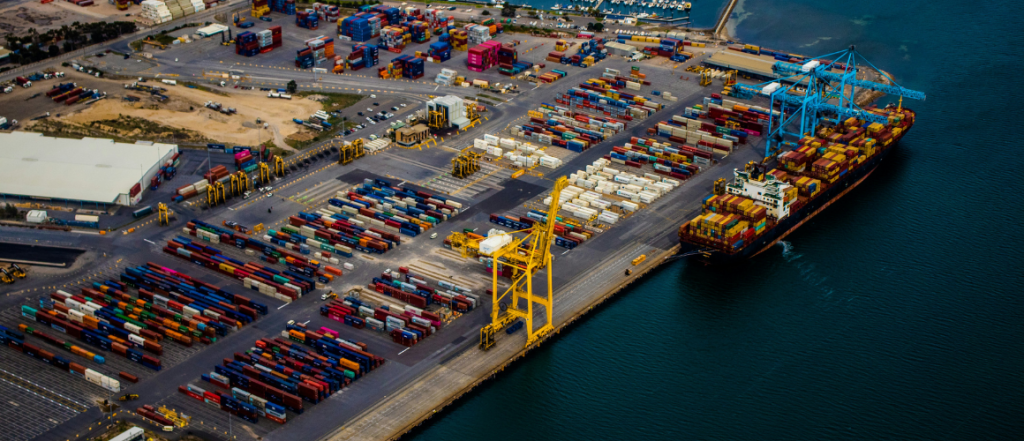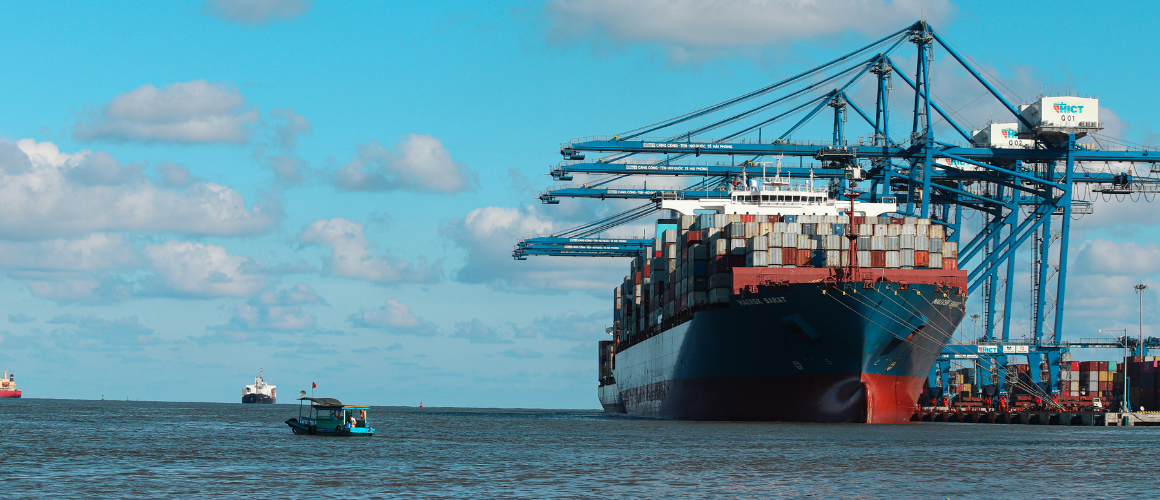
Rotterdam handles more than 15 million TEUs a year with a level of automation that seemed like science fiction ten years ago. Singapore has automated cranes operating 24 hours a day, coordinated by AI, which do not require an operator for every movement. Algeciras, Spain’s busiest port, is in the midst of a transition towards the ‘smart port’ model. Port digitalisation is not the future: It is home to some of the world’s most competitive ports and the challenge that Spanish teams will have to rise to in the coming years.
What is a smart port and how does it differ from a traditional port?
A smart port It is a port terminal that integrates advanced digital technologies to optimise its operations, reduce costs, improve safety and minimise its environmental impact. The difference compared with a traditional port is not just technological: it is organisational and cultural. In a traditional port, operational decisions depend on the accumulated experience of coordinators and the information available during each shift. In a smart port, those decisions are supported in real-time data, predictive models and automated systems which reduce the margin for error and measurably increase efficiency. This transformation is a competitive necessity: shippers and shipping lines choose ports based on their ability to guarantee predictable turnaround times, full traceability and paperless operations.
The technologies that are transforming port operations
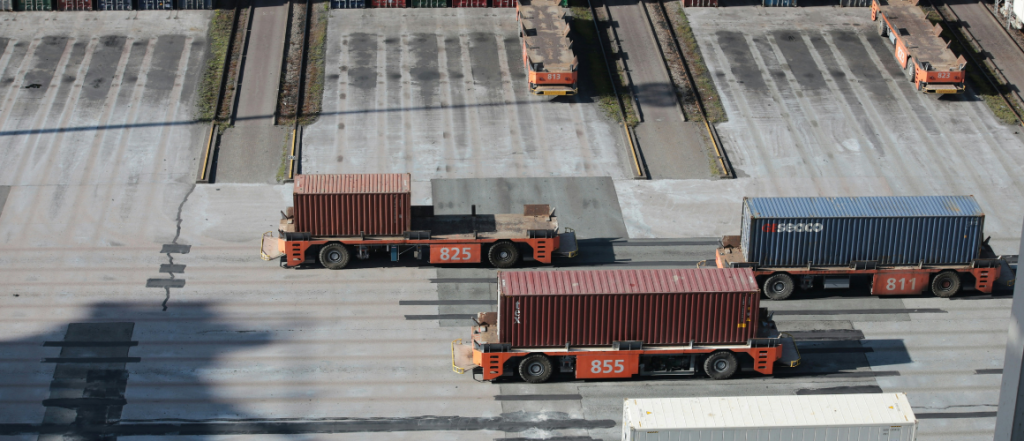
The smart port’s technological ecosystem is structured across four layers. The IoT It connects sensors to cranes, vehicles, containers and structures to monitor the condition of equipment, environmental conditions and the position of the load in real time. The AI processes this information to forecast demand, optimise slot allocation and anticipate maintenance failures before they occur. Guided vehicles automatically (AGV) and automated cranes reduce reliance on human operators for high-volume, repetitive tasks. And the blockchain provides document traceability without intermediaries: a blockchain-based bill of lading can be verified by any party in the supply chain (shipping line, consignee, customs) without the need to exchange physical copies. These four elements do not operate in isolation: they are integrated into platforms for digital twins which replicate the entire terminal in a virtual environment where scenarios can be simulated and decisions optimised before they are implemented.
How AI improves planning and operational efficiency at terminals
There is already real-world data on the use cases for AI in port operations. The ship arrival forecasts AI reduces waiting times in the harbour by between 20% and 35% at terminals that have implemented it. The optimisation of the container yard using allocation algorithms, it reduces unproductive movements by up to 15%. The predictive maintenance A sensor-based crane system reduces unplanned downtime by between 25% and 40%. And the reduction in waiting times for access Land transport, through the use of intelligent truck management systems, improves traffic flow in the hinterland without the need to expand infrastructure. These are not theoretical objectives: they are documented results at terminals in Rotterdam, Hamburg and, increasingly, at Spain’s busiest ports, as we explain in the article on port terminal management.
Blockchain in port logistics: paperless, fraud-free traceability
The Blockchain applied to maritime logistics It resolves a structural problem in the sector: port documentation is paper-heavy, prone to error and difficult for multiple parties to verify simultaneously. A blockchain-based bill of lading is an immutable document, verifiable in real time by all authorised parties in the supply chain and executable via smart contracts that automate actions (cargo release, payment, customs notification) when the agreed conditions are met. Ports such as Rotterdam (TradeLens), Singapore and the first nodes of the European HARVIS project are already operating under this model. In Spain, adoption is in its early stages but growing, driven by the traceability requirements of major shippers and by European customs regulations currently undergoing digitalisation.
What digital skills will port teams need in 2026?
The digital divide in Spanish ports is not uniform: it varies depending on the profile, size and level of digitalisation of the terminal. However, in all cases, there are capabilities that have gone from being optional to being an operational requirement.
How to prepare port teams for a seamless digital transition
Change management is the most critical factor in any port digitalisation process. The terminals that have faced the greatest difficulties are not those that lacked technology: they are the ones that introduced technology without preparing their staff. The staggered training by role is the most effective approach: start with the roles that have the greatest immediate operational impact (TOS coordinators, maintenance technicians), move on to support roles, and finish with management training in data analysis and decision-making. The simulators for critical operations They enable staff to train in environments that replicate real-world technology without any operational risk. And the FUNDAE grant covers training in digital skills for the entire workforce, including technical and managerial staff. From the Educa.Pro’s Transport catalogue You will find specific programmes on port digitalisation and smart ports, in line with the technologies already in use at the main European ports.
The smart port is not a threat to dockworkers: it is a transformation that raises the level of skills required and, with it, the value of those who know how to operate in that environment. The digital divide is real, but so is the ability to bridge it through well-designed training.