At present, the future of the environment is a cause for concern. How can we reverse or reduce the climate change …and its effects? This is a question that many companies are trying to answer through their actions. To this end, they are seeking alternatives to polluting practices in order to reduce their ecological footprint. This has led to the emergence of solutions such as the sustainable packaging.
The approach of the sustainable packaging It involves going beyond simply reconsidering the materials used in the manufacture of packaging. It requires rethinking both how the product right through to the methods of final disposal, thereby minimising the environmental impact at every stage.
Sustainable packaging: an innovative solution that helps the environment
As we were saying, the sustainable packaging It has emerged in response to the need to embrace environmentally friendly practices. At the same time, it is an approach that seeks to cater to those consumers who are willing to change their lifestyle in order to buy products that demonstrate a commitment to social and environmental responsibility.
In this regard, the sustainable packaging refers to the practice of designing, manufacturing and using product packaging in a way that minimises environmental impact and maximises efficiency and reuse. This involves using renewable or recycled materials, reducing waste and optimising the packaging’s life cycle.
Consequently, this practice is usually classified under the strategy forGreen Marketing of companies. And at this point, you’re probably wondering whether it’s possible to apply this approach to all companies: the answer is yes. Bear in mind that it’s not just about the final presentation of the product, but also about ensuring the sustainabilitythroughout his life cycle.
Sustainable packaging materials
The ultimate aim of the sustainable packaging is to strike a balance between protecting and presenting products effectively whilst minimising their environmental impact. To this end, companies use strategies such as reducing the size and weight of packaging, designing packaging that is easily recyclable or reusable, and using sustainable materials.
Below, we’ve listed the sustainable materials most common in the food, the cosmetics and textile industries.
Sustainable food packaging
- Bioplastics: are derived from renewable sources, such as maize starch or cellulose.
- Compostable materials: These materials can break down into compost under certain conditions, thereby reducing their environmental impact.
- Recycled paper and cardboard: are popular and widely available options for sustainable food packaging.
- Natural fibres: such as bamboo or cellulose fibres, which can be used in biodegradable packaging.
Sustainable packaging in the cosmetics industry
- Bamboo and wood: used in solid packaging or as decorative elements in packaging.
- Recycled glass: widely used for cream and lotion containers because it can be recycled indefinitely.
- Bioplastics and recycled plastics: as sustainable alternatives to conventional plastic.
- Compostable materials: for products that require a more environmentally friendly approach to their disposal.
Sustainable packaging in the textile and fashion industry
- Organic fibres: such as organic cotton, organic flax or hemp, which reduce the use of chemicals and pesticides.
- Recycled fibres: made from materials such as recycled plastic bottles or recycled fishing nets.
- Natural fabrics: such as wool, cotton and silk, which are biodegradable and have a lower environmental impact during production.
- Alternative materials: such as vegan leather, made from materials such as pineapple, mushrooms or seaweed, offering a sustainable alternative to animal leather.
Examples of sustainable packaging
Do you run a business and want to take the plunge into the sustainable packaging of your products? Take note of these examples – they might give you some ideas:
- Water bottles made from recycled materials: Some bottled water brands use bottles made from recycled plastic. This reduces the amount of virgin plastic required and encourages recycling.
- Reusable cloth bags: Instead of disposable plastic bags, many shops offer sturdy, reusable cloth bags made from sustainable materials such as organic cotton, jute or recycled fibres. These bags are long-lasting and can be used time and time again, thereby reducing the amount of single-use plastic in the environment.
- Cardboard food packaging: Instead of plastic packaging, some foods such as eggs, fruit and vegetables come in cardboard or recycled paper packaging. These are more sustainable and biodegradable.
- Biodegradable cardboard packaging for cosmetics: Some cosmetics brands use biodegradable cardboard packaging instead of plastic for their products. It is made from recycled cardboard and is biodegradable, meaning it breaks down quickly in the environment once it is thrown away.
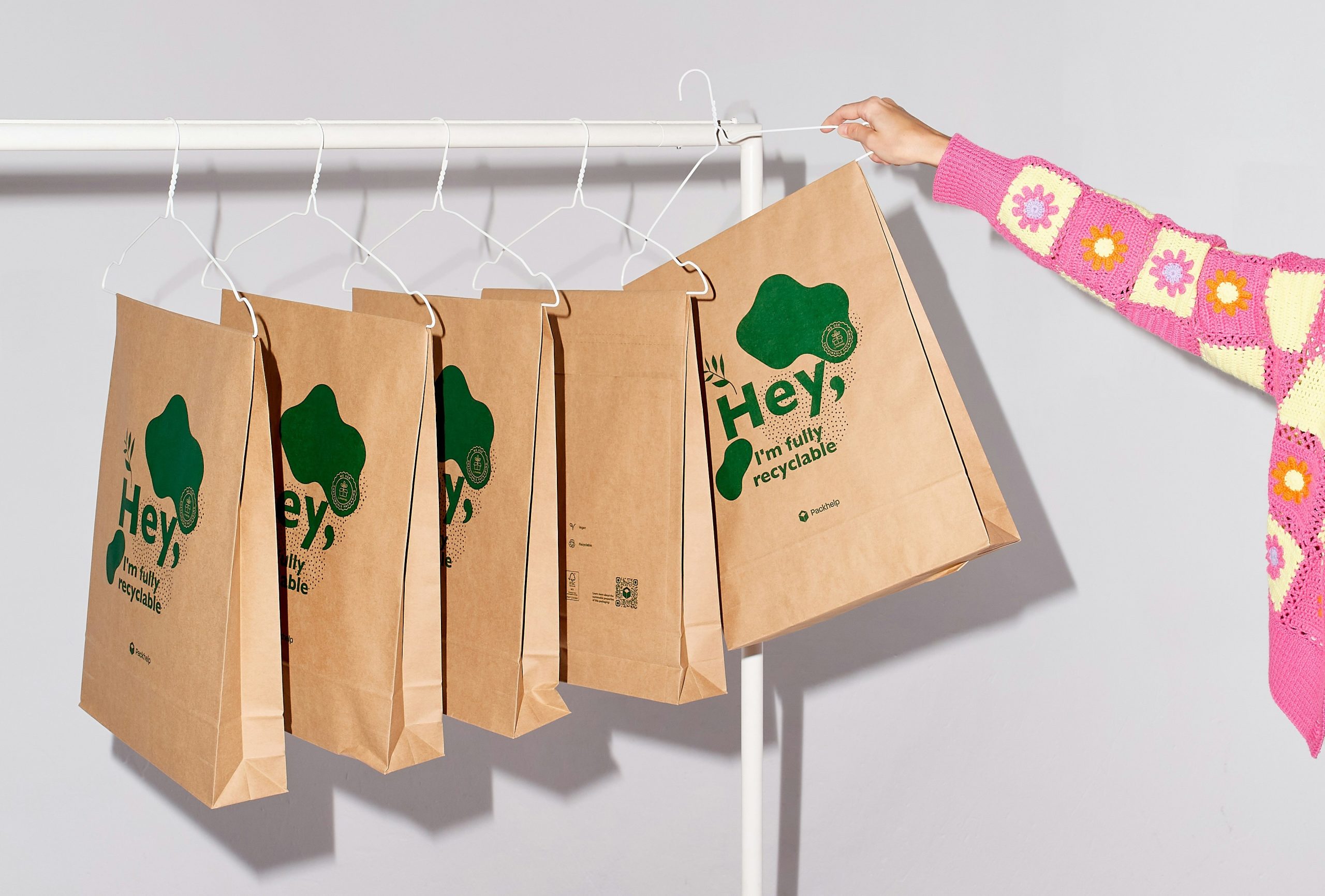
- Kraft paper bags: Kraft paper bags are popular in supermarkets and cafés. They are recyclable and biodegradable.
- Minimalist packaging: Another trend in sustainable packaging is the use of minimalist packaging that reduces the amount of materials used to a minimum. This may include packaging without excess wrapping, labels printed directly onto the product, or packaging that can be easily dismantled for recycling.
Now it’s your turn to put all this into practice to help protect the environment. If you’d like to learn more about this and many other areas related to the Corporate Social Responsibility, please do follow us on the blog at Educa.Pro.